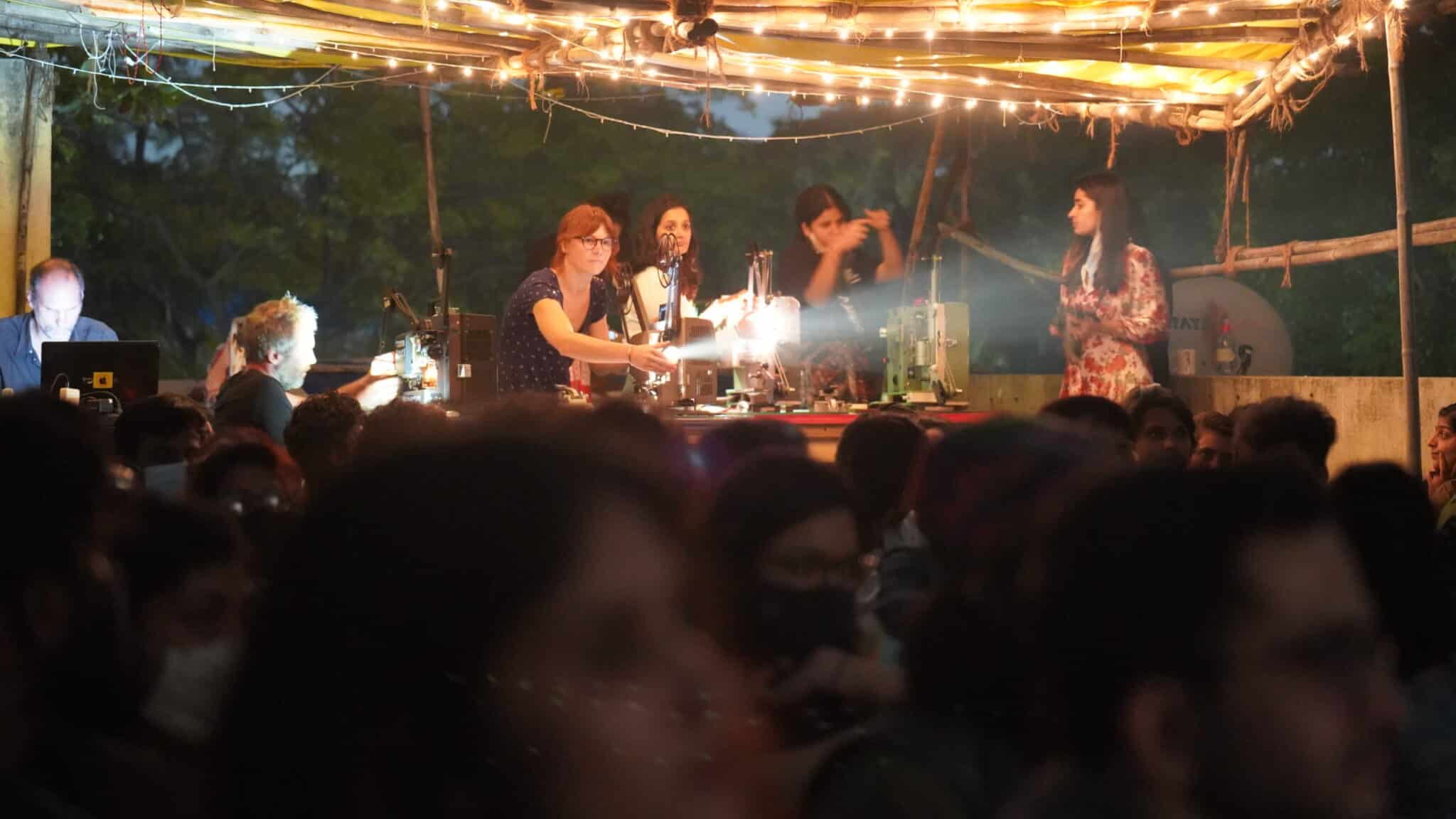
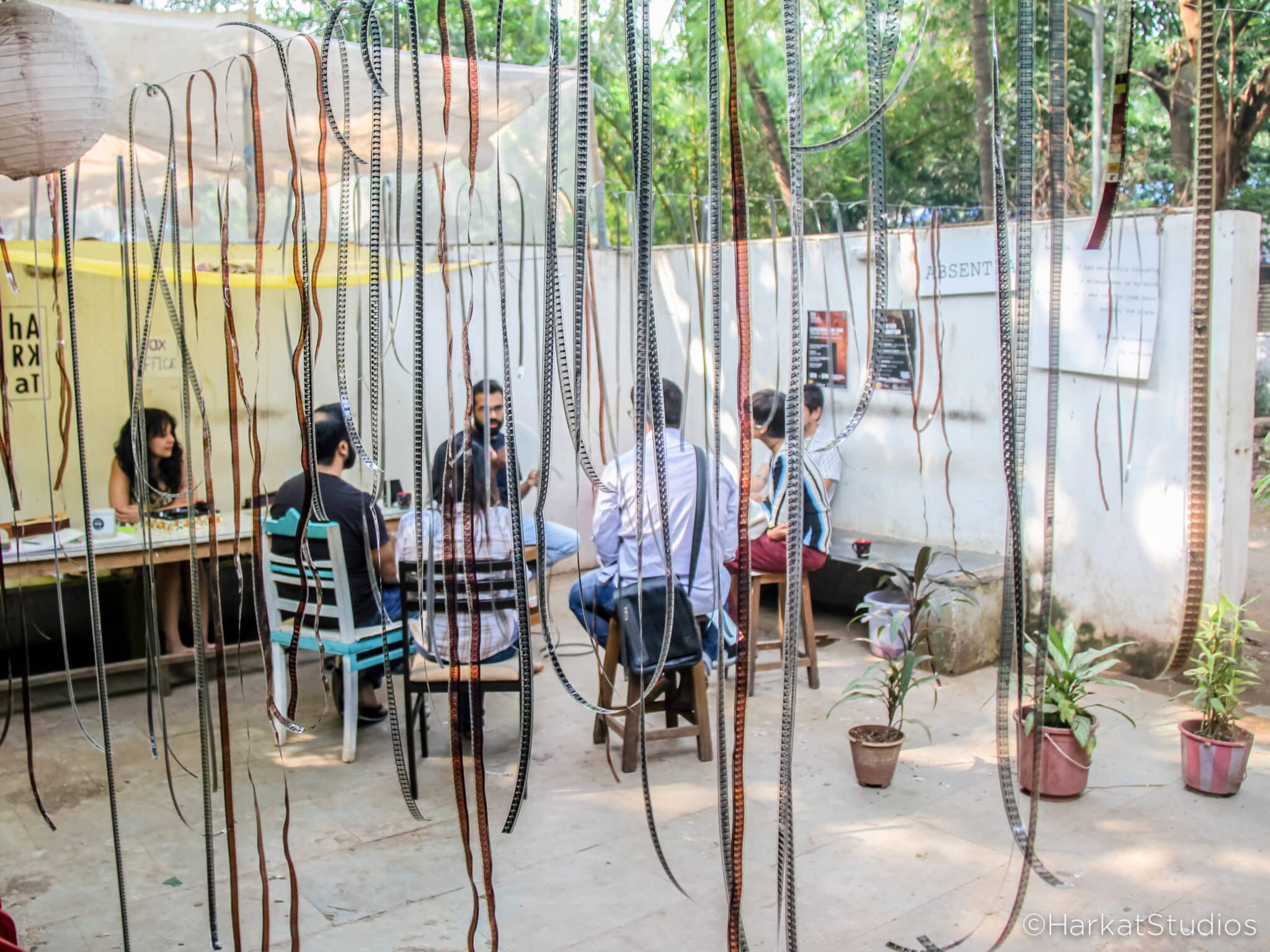
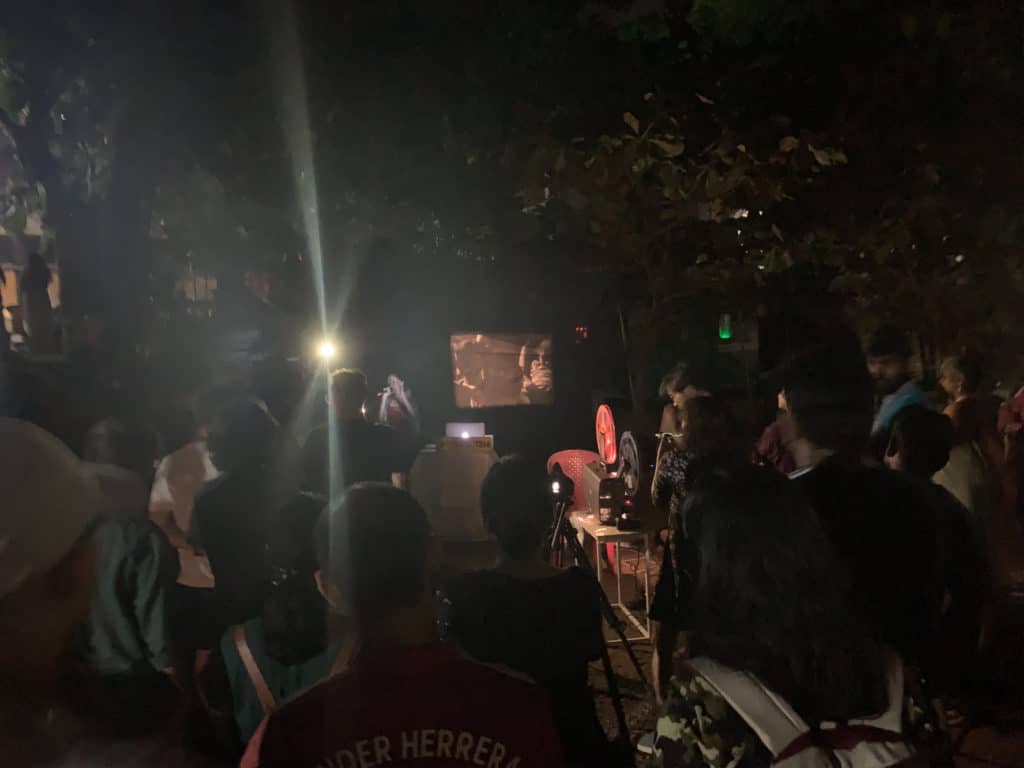
16mm Film Festival was conceptualised and curated by alternative arts venue Harkat Studios to “reconnect with the cinematic medium through its celluloid history” and “share the magic of churning a movie through a projector onto a speckless cloth”. Since its launch in 2017, the three-day event of screenings and workshops has helped build a community of and provided infrastructure for filmmakers and artists who want to make works on celluloid. Over 40 short, feature and expanded cinema titles in genres including drama, documentary and personal narratives are shown to cinephiles who can also catch “filmic performances” and view “celluloid-based installations” between screenings. Owing to the pandemic, the festival was held online in 2020 and 2021.
The last edition of the festival in 2022 included more than 50 films from over 10 countries, including an expanded cinema film performance by Harkat Studios. The festival also hosted veteran experimental filmmakers Richard and Diana Tuohy, and showcased their analog works.
Check out more film festivals here.

How to Reach Mumbai
1. By Air: Chhatrapati Shivaji International Airport, formerly known as Sahar International Airport, is the primary international airport serving the Mumbai metropolitan area. It is situated about 30 km from the main Chhatrapati Shivaji Terminus (CST) train station. Mumbai Chhatrapati Shivaji has two terminals. Terminal 1 or the domestic terminal, was the old airport referred to as Santa Cruz Airport, and some locals still use this name. Terminal 2, or the international terminal, replaced the old terminal 2, formerly known as the Sahar Airport. The Santa Cruz Domestic Airport is about 4.5 km from the international airport. There are regular direct flights to Mumbai from other airports. Buses and cabs are easily available from the airport to reach desired destinations.
2. By Rail: Mumbai is very well connected to rest of India by train. The Chhatrapati Shivaji Terminus is the most popular station in Mumbai. Trains to Mumbai are available from all major railway stations in India. Some important Mumbai trains of note are the Mumbai Rajdhani, Mumbai Duronto, and Konkan Kanya Express.
3. By Road: Mumbai is well-connected with national highways and expressways. Visiting by bus is economical for individual tourists. Government-run, as well as private buses, operate daily services. Travelling to Mumbai by car is a common choice made by travellers, and hailing a cab or hiring a private car is an efficient way of exploring the city.
Source: Mumbaicity.gov.in

1. Temperatures in Mumbai can go up to 31°C during the day and 20°C at night. Carry light, cotton clothes to beat the humidity in Mumbai.
2. Sandals, flip flops, and sneakers, keep your feet comfortable.
3. A sturdy water bottle, if the festival has refillable water stations and the organisers allow bottles to be taken into the venue.







Aram Nagar 2
JP Road
Versova
Andheri (West)
Mumbai 400061

- Festivals From India is not associated with ticketing, merchandising and refund matters of any Festival organised by Festival Organisers. Festivals From India shall not be responsible for any conflict between a User and Festival Organiser in matters related to ticketing, merchandising and refund matters of any Festival.
- The date / timings / artist line-up of any Festival may change as per the Festival Organiser’s discretion and Festivals From India has no control over such changes.
- For the registration of a Festival, the Users will be redirected to the website of such Festival or to any third party website under the discretion / arrangement of Festival Organisers. Once a User has completed their registration for a Festival, they will receive their registration confirmation by email from the Festival Organisers or the third party websites where the event registration is hosted. Users are advised to enter their valid email correctly on the registration form. Users may also check their junk / spam email box in case any of their Festival email(s) are caught by spam filters.
- Events are marked COVID safe based on self-declarations made by the festival organiser regarding compliance with government/local authority COVID-19 protocols. Festivals From India shall have no liability as to the actual compliance with COVID-19 protocols.
- Users may face interruptions during the course of the live stream due to internet connectivity issues. Neither Festivals From India nor the Festival Organiser is responsible for such interruptions.
- The Digital Festival / Event may have interactive elements and will involve participation from the Users.
newsletter!





 ||||
||||






Get in touch on hello@festivalsfromindia.com