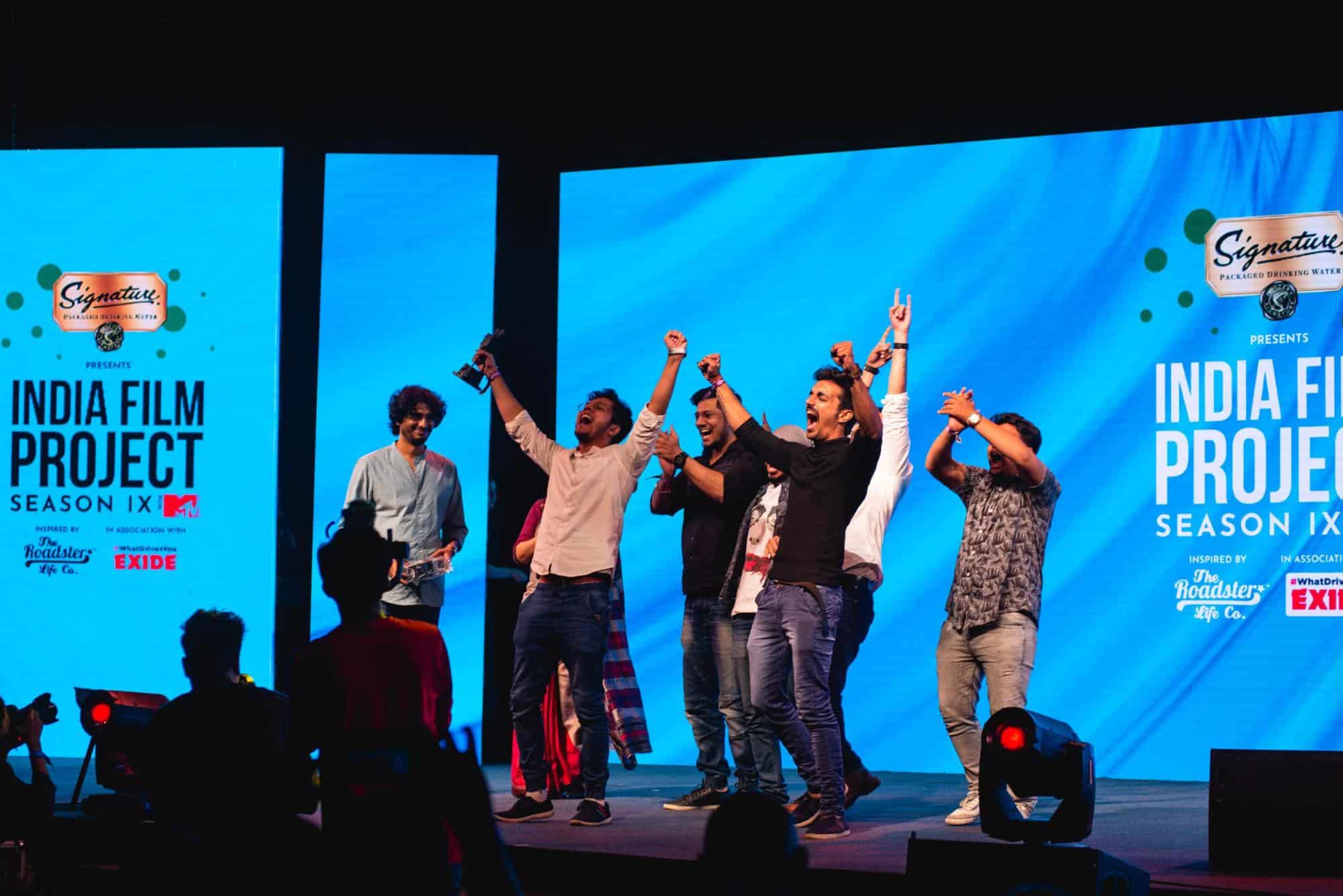
IFP, previously known as India Film Project, started out as a filmmaking challenge in 2011. It has grown, since 2016, into one of Asia's largest content festivals. It serves as a platform for creators across fields such as cinema, literature, design and music. Over 85,000 attendees from more than 45 countries have been part of the festival so far.
The festival hosts the world's largest filmmaking challenge, the 50-Hour Filmmaking Challenge, during which participants, working with a team of up to 20 crew members (excluding the cast) are supposed to write, shoot, edit and upload a film on a given theme within 50 hours. The theme is revealed to them at the beginning of 50-hour time period. Filmmakers can enter in one of three categories, namely, professional, amateur and mobile. The top five films from each category are screened at the festival and made available to watch on its YouTube Channel.
Similarly, there are creative challenges for musicians, writers, storytellers, poets and visual artists. In the 50-Hour Music Challenge, participants have to write the lyrics and compose the melody of a song on a given theme, record, mix and master it and upload it within 50 hours. The categories are pop, hip-hop, electronic, folk-fusion and rock, and the winning songs in each are made into a music video distributed on the IFP YouTube channel. In the 7-Days Writing Challenge, participants write a script/story on a given theme within seven days for a chance to have it made into a film. In the 7-Days Design Challenge, contestants create a unique design in the categories of poster design, fan art, digital collage and digital illustrations to win an award and get their art exhibited at the festival.
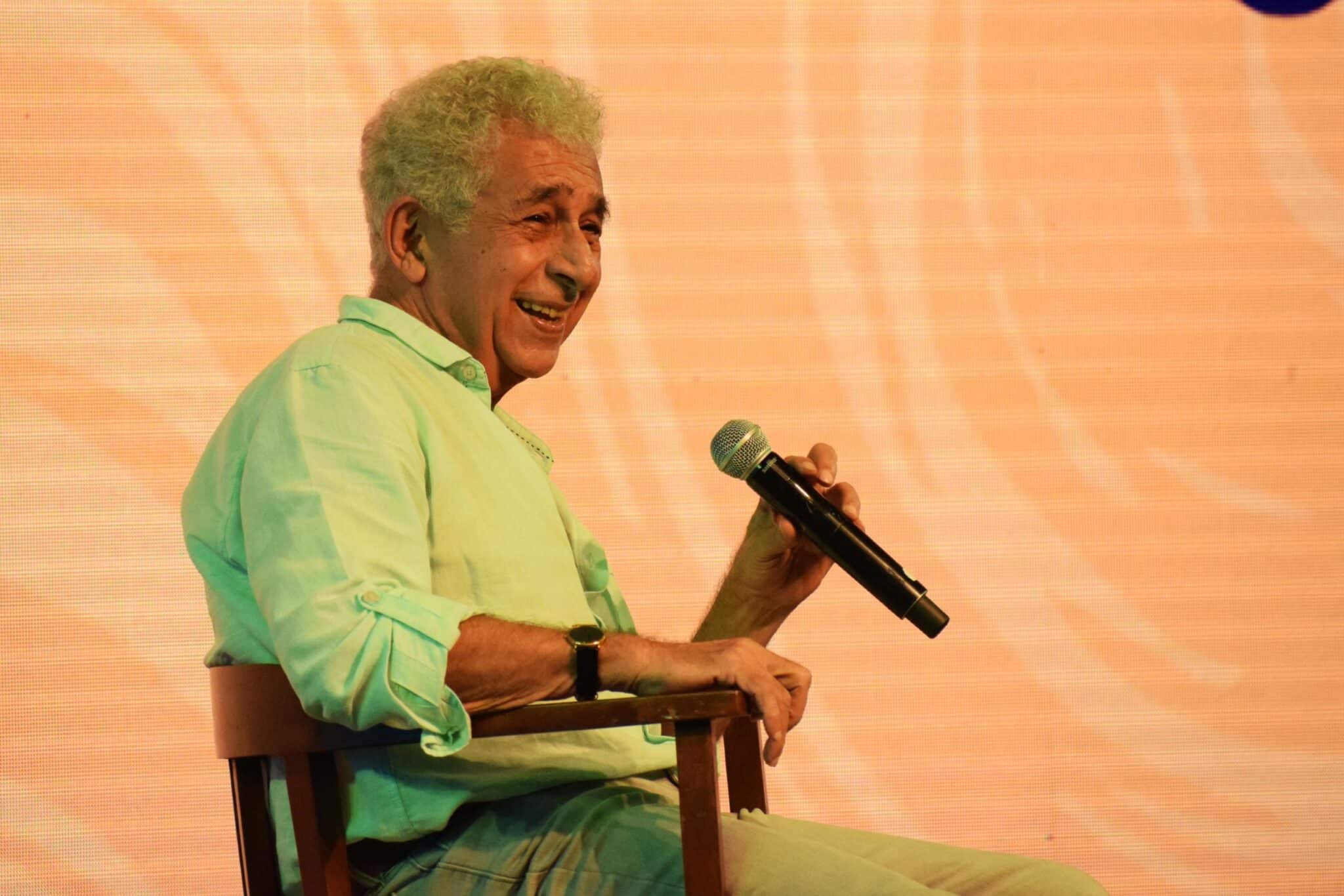
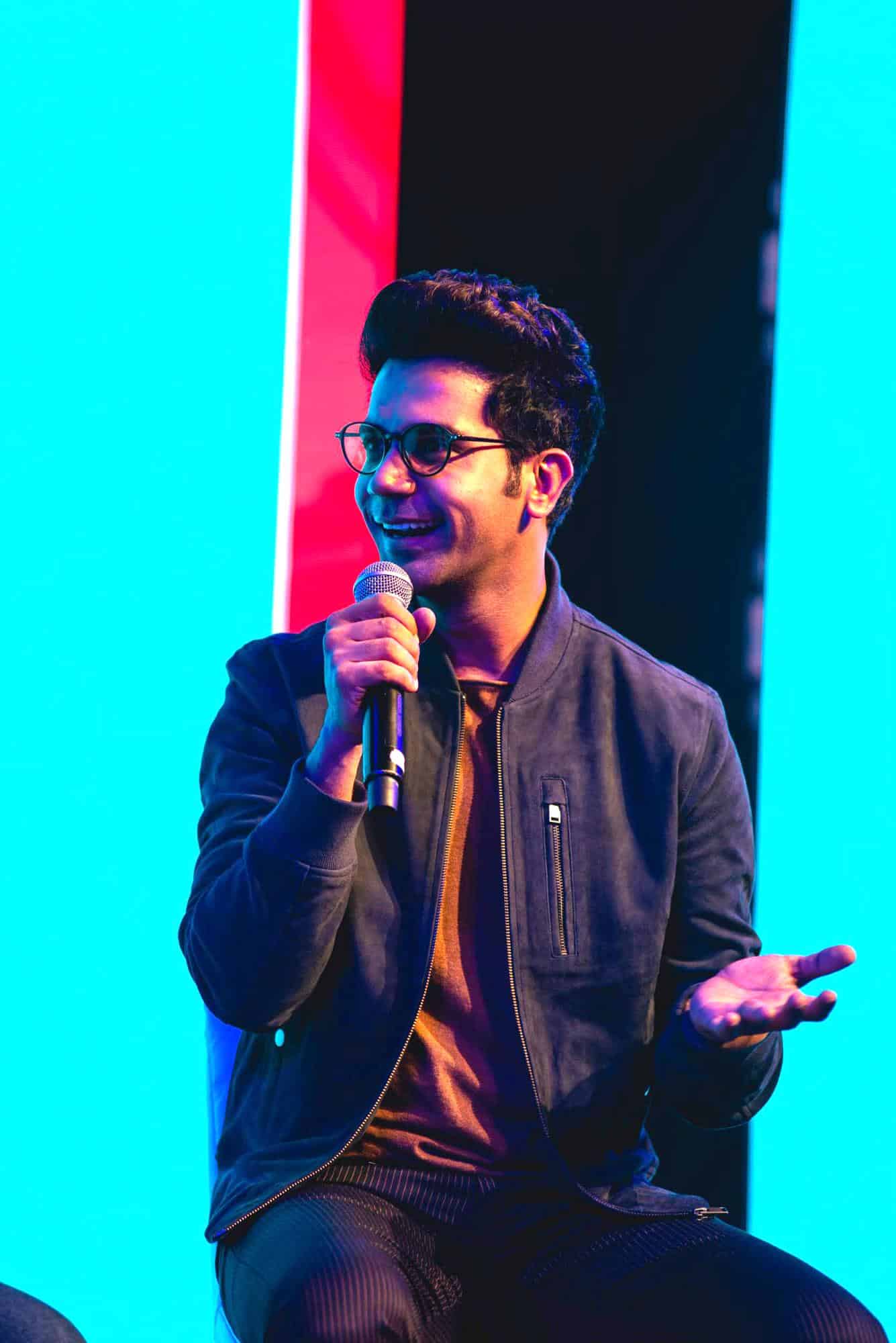
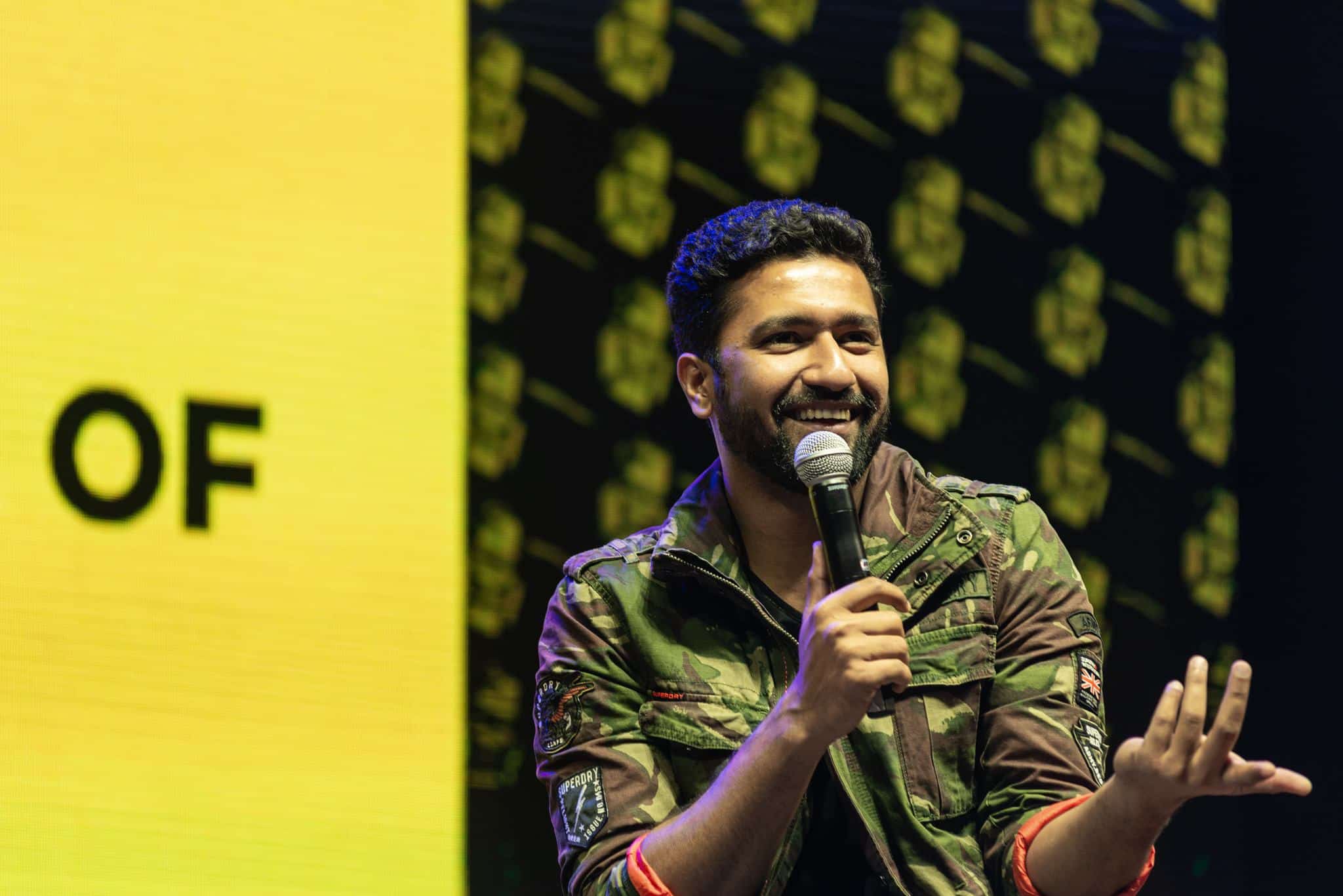
The on-ground festival follows the creative challenges. Here filmmakers, screenwriters and actors, musicians, comedians, content creators and thought leaders of the creative community gather to converse and interact with audiences in a series of interviews, Ask Me Anything sessions, workshops and masterclasses.
Filmmakers Alexander Payne, Ashutosh Gowarikar, Asif Kapadia, Guneet Monga, Mira Nair and Vikramaditya Motwane; actors Ayushmann Khurrana, Bhumi Pednekar, Naseeruddin Shah, Nawazuddin Siddiqui, Pankaj Tripathi, Rajkumar Rao, Taapsee Pannu and Vicky Kaushal; writers Anuja Chauhan, Ashwin Sanghi, Emma Donoghue and Tom Perotta; musicians Ankur Tewari, Brodha V, Naezy, Prateek Kuhad, Ritviz and Vidya Vox; and content creators Bhuvan Bam, Dolly Singh, Kusha Kapila and Prajakta Koli have been part of IFP over the years.
The festival, held online in 2020 and 2021, returned to its in-person format in 2022. Actors Tahir Raj Bhasin and Vidya Balan, content creators Leeza Mangaldas and Rachana Ranade, photographer Raghu Rai, and musicians Aditya A., Anyasa and Sriya Lenka were among the speakers at the event in 2022.
The upcoming edition of the India Film Project will be held between 12 and 13 October 2024.
Check out more multiarts festivals here.
How to reach Mumbai
1. By Air: Chhatrapati Shivaji International Airport, formerly known as Sahar International Airport, is the primary international airport serving the Mumbai Metropolitan Area. It is situated about 30 km from CST Station. The domestic airport is in Vile Parle East. Mumbai Chhatrapati Shivaji has two terminals. Terminal 1 or the domestic terminal used to be the old airport called Santacruz Airport, and some locals still refer to it by this name. Terminal 2 or the international terminal replaced the old terminal 2, formerly known as the Sahar Airport. The Santa Cruz Domestic Airport is about 4.5 km from the international airport. There are regular direct flights to Mumbai easily available from other airports. Buses and cabs are easily available from the airport to reach desired destinations.
2. By Rail: Mumbai is very well connected to rest of India by train. The Chhatrapati Shivaji Terminus is the most popular station in Mumbai. Trains to Mumbai are available from all major railway stations in India. Some important Mumbai trains to note are the Mumbai Rajdhani, Mumbai Duronto and the Konkan-Kanya Express.
3. By Road: Mumbai is well connected with national highways and expressways. Getting to Mumbai by bus is the most economical for individual tourists. Government-run, as well as private buses, operate daily services. Travelling to Mumbai by car is a common choice made by travellers, and hailing a cab or hiring a private car is an efficient way of exploring the city.
Source: Mumbaicity.gov.in


1.Temperatures in Mumbai can go up to 31°C during the day and 20°C at night. Carry light, cotton clothes to beat the humidity.
2. Sandals, flip flops and sneakers to keep your feet comfortable.
3. A sturdy water bottle, if the festival has refillable water stations and the venue allows bottles to be taken inside.










- Festivals From India is not associated with ticketing, merchandising and refund matters of any Festival organised by Festival Organisers. Festivals From India shall not be responsible for any conflict between a User and Festival Organiser in matters related to ticketing, merchandising and refund matters of any Festival.
- The date / timings / artist line-up of any Festival may change as per the Festival Organiser’s discretion and Festivals From India has no control over such changes.
- For the registration of a Festival, the Users will be redirected to the website of such Festival or to any third party website under the discretion / arrangement of Festival Organisers. Once a User has completed their registration for a Festival, they will receive their registration confirmation by email from the Festival Organisers or the third party websites where the event registration is hosted. Users are advised to enter their valid email correctly on the registration form. Users may also check their junk / spam email box in case any of their Festival email(s) are caught by spam filters.
- Events are marked COVID safe based on self-declarations made by the festival organiser regarding compliance with government/local authority COVID-19 protocols. Festivals From India shall have no liability as to the actual compliance with COVID-19 protocols.
- Users may face interruptions during the course of the live stream due to internet connectivity issues. Neither Festivals From India nor the Festival Organiser is responsible for such interruptions.
- The Digital Festival / Event may have interactive elements and will involve participation from the Users.
newsletter!





 ||||
||||






Get in touch on hello@festivalsfromindia.com