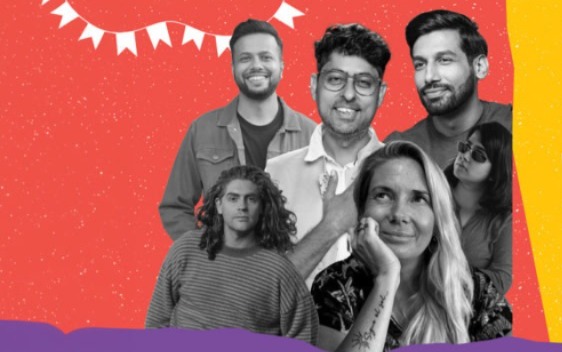
The Mumbai Fringe Festival will make its India debut from 10–15 March 2026, opening at the iconic Tata Theatre, NCPA, before unfolding across Bandra’s creative circuit, including Khar Comedy Club, 3 Art House and Indifferent @ Gharonda. Over six days and nearly 60 performances, the festival will transform the neighbourhood into a dynamic cultural map where audiences move between venues, discover new voices and experience comedy, theatre, poetry, storytelling and experimental work in its most immediate form. The India edition launches with a powerful lineup of leading Indian voices alongside internationally celebrated productions. The festival features artists such as Rohan Joshi, Kanan Gill, Varun Grover, Aakash Gupta, Priya Malik, Amandeep Khayal, Urooj Ashfaq and Amit Tandon, alongside acclaimed global works including Nigel Miles Thomas’s award-winning solo performance Sherlock Holmes: The Last Act, a striking solo adaptation of Macbeth presented by UK-based theatre company The Shakespeare Edit, and David Hoskin’s Haunted House, a genre-blending mix of mime, comedy and storytelling.






How to Reach Mumbai
1. By Air: Chhatrapati Shivaji International Airport, formerly known as Sahar International Airport, is the primary international airport serving the Mumbai metropolitan area. It is situated about 30 km from the main Chhatrapati Shivaji Terminus (CST) train station. Mumbai Chhatrapati Shivaji has two terminals. Terminal 1, or the domestic terminal, was the old airport referred to as Santa Cruz Airport, and some locals still use this name. Terminal 2, or the international terminal, replaced the old terminal 2, formerly known as Sahar Airport. The Santa Cruz Domestic Airport is about 4.5 km from the international airport. There are regular direct flights to Mumbai from most major cities in India and across the world. Buses and cabs are easily available from the airport to reach desired destinations.
2. By Rail: Mumbai is very well connected to rest of India by train. The Chhatrapati Shivaji Terminus is the most popular station in Mumbai. Trains to Mumbai are available from all major railway stations in India. Some important Mumbai trains of note are the Mumbai Rajdhani, Mumbai Duronto, and Konkan Kanya Express.
3. By Road: Mumbai is well-connected with national highways and expressways. Visiting by bus is economical for individual tourists. Government-run and private buses operate daily services. Travelling to Mumbai by car is a common choice made by travellers, and hailing a cab or hiring a private car is an efficient way of exploring the city.
Source: Mumbaicity.gov.in

1. Light, breathable clothing with comfortable footwear, as March is warm and you’ll likely be moving around a lot.
2. Sunscreen, sunglasses, and a hat or cap to protect yourself from the strong daytime sun.
3. A sturdy water bottle and basic medicines, especially for long hours outdoors or event hopping.
4. A tote bag or small backpack, along with cash and cards, for carrying essentials and making easy payments.









- Festivals From India is not associated with ticketing, merchandising and refund matters of any Festival organised by Festival Organisers. Festivals From India shall not be responsible for any conflict between a User and Festival Organiser in matters related to ticketing, merchandising and refund matters of any Festival.
- The date / timings / artist line-up of any Festival may change as per the Festival Organiser’s discretion and Festivals From India has no control over such changes.
- For the registration of a Festival, the Users will be redirected to the website of such Festival or to any third party website under the discretion / arrangement of Festival Organisers. Once a User has completed their registration for a Festival, they will receive their registration confirmation by email from the Festival Organisers or the third party websites where the event registration is hosted. Users are advised to enter their valid email correctly on the registration form. Users may also check their junk / spam email box in case any of their Festival email(s) are caught by spam filters.
- Events are marked COVID safe based on self-declarations made by the festival organiser regarding compliance with government/local authority COVID-19 protocols. Festivals From India shall have no liability as to the actual compliance with COVID-19 protocols.
- Users may face interruptions during the course of the live stream due to internet connectivity issues. Neither Festivals From India nor the Festival Organiser is responsible for such interruptions.
- The Digital Festival / Event may have interactive elements and will involve participation from the Users.
newsletter!





 ||||
||||






Get in touch on hello@festivalsfromindia.com