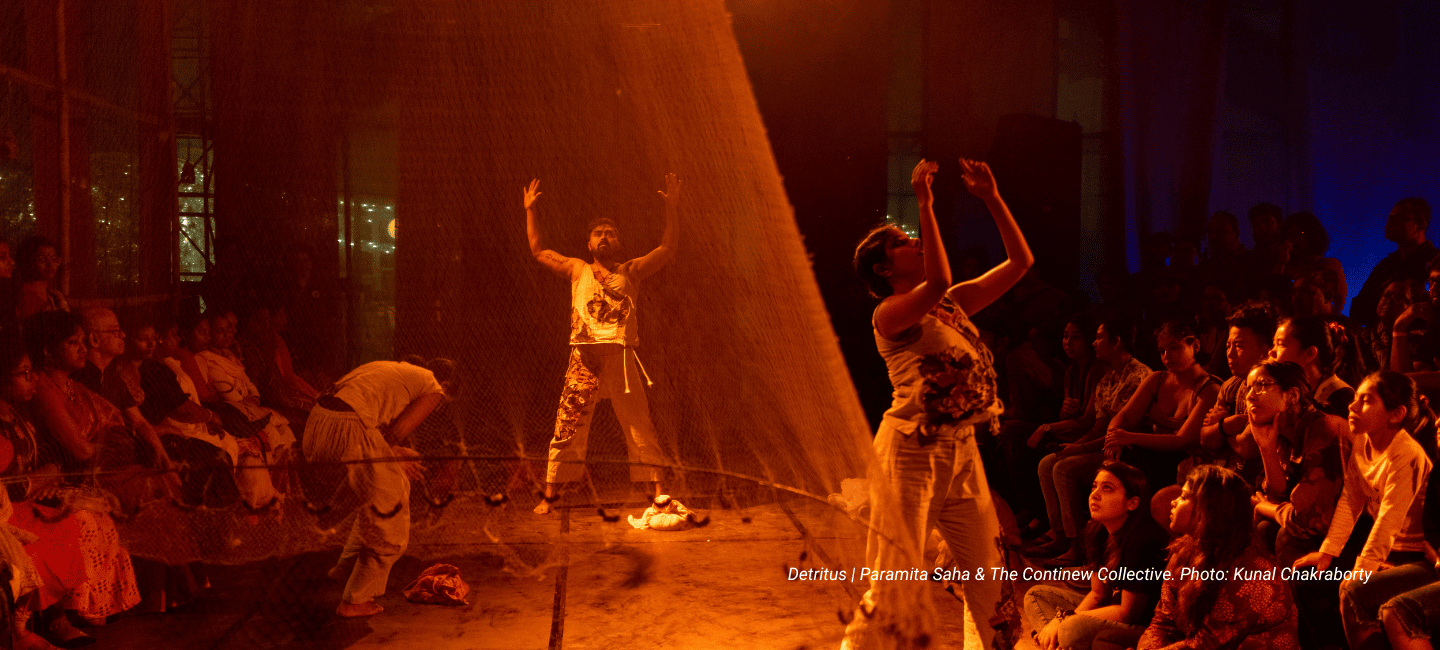
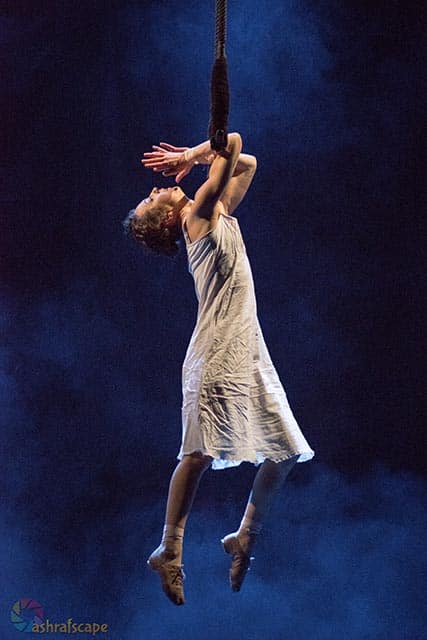
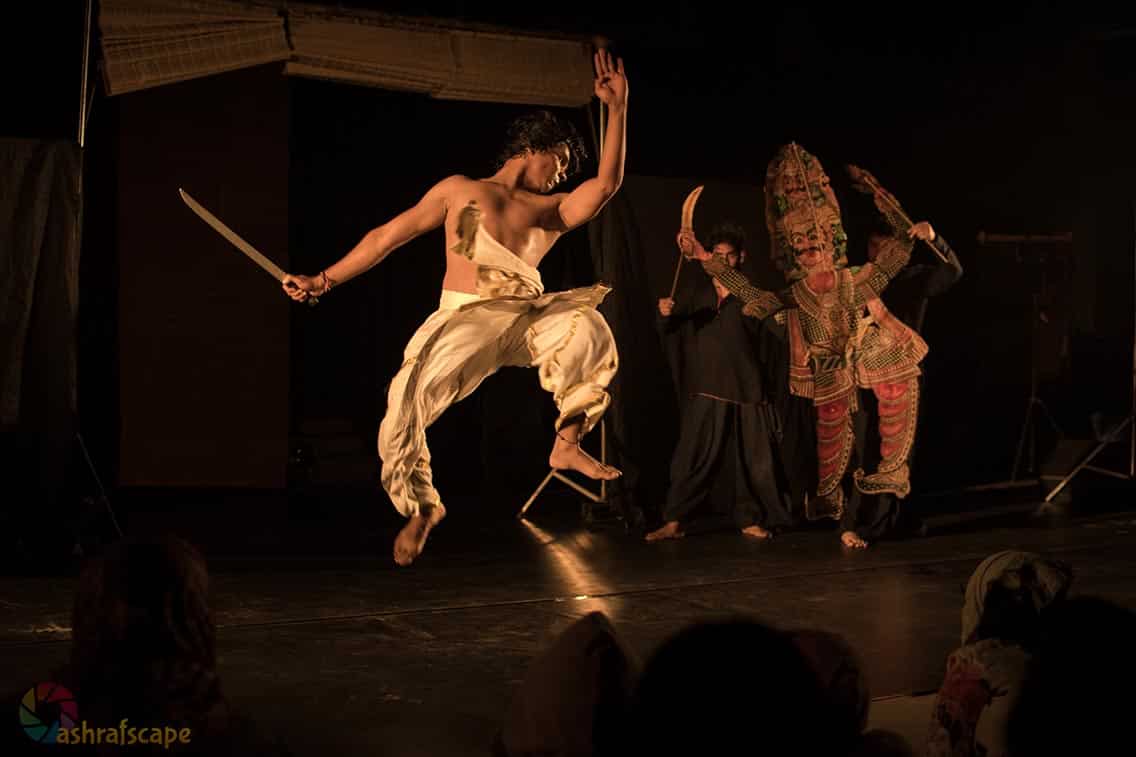
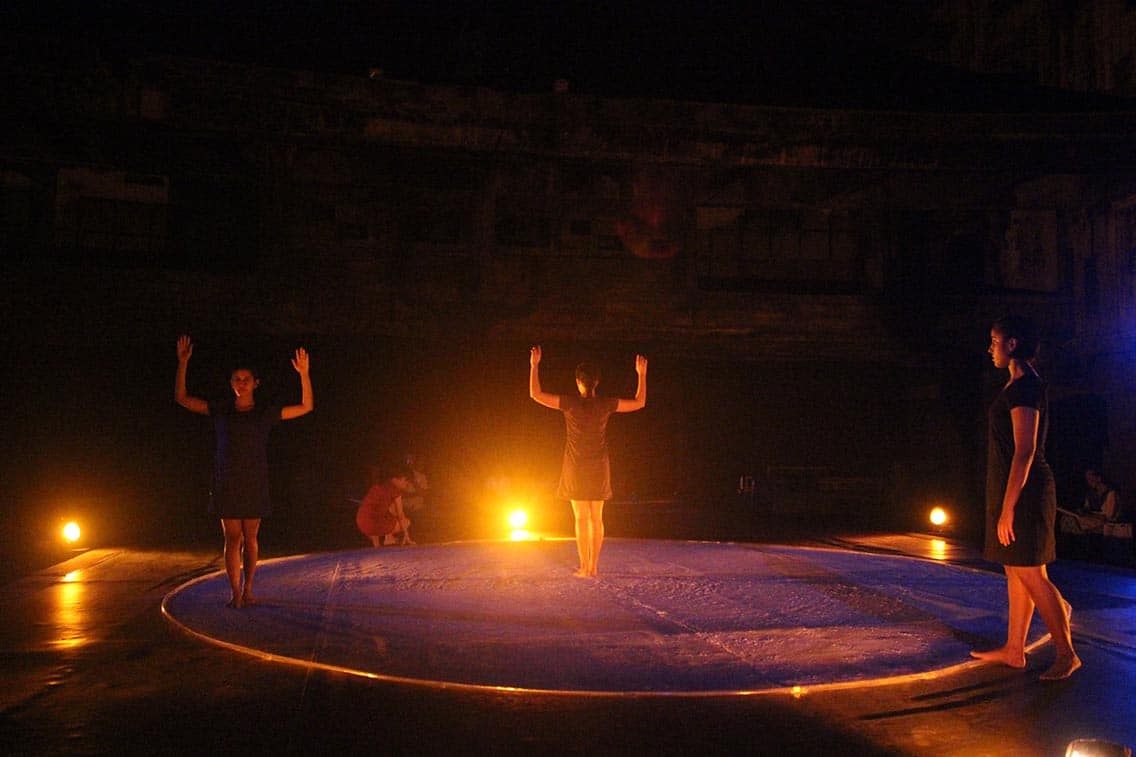
Held every two years, the Pickle Factory Season is a four-month long festival curated around dance and movement that evokes questions and ideas of what dance experiences can be and mean. The festival typically includes performances, workshops, exhibitions and interactions with artists alongside artist residencies, seminars and engagements focusing on repurposing spaces for the performing arts. The venues have included abandoned and defunct single-screen cinemas, television studios, rooftops and public streets and gardens. With dance and movement artists from India and abroad performing in these spaces, the festival seeks to "redefine relationships between physical movement and physical space."
Over the first three editions of the festival— in February-March 2018, November-December 2019, November 2022-February 2023—the Pickle Factory Season has featured various diverse artists, covering the fields of classical and contemporary dance, performance art, physical theatre, puppet theatre, circus theatre, arts administration, design and performance criticism. Aditi Mangaldas, Anurupa Roy, David Carberry, Judy Harquail, Kapila Venu, Maya Krishna Rao, Padmini Chettur and Preethi Athreya are some of the dancers and choreographers who have been part of the festival so far.
The third edition of the festival took place between November 2022 and February 2023. The November instalment, titled "Spaces for Community", was held in fitting community spaces such as fields. It featured performances by Odissi dancer Shashwati Garai Ghosh, choreographer Surjit Nongmeikapam and contemporary dancer Paramita Saha. The December instalment, titled "Spaces for Dialogue", featured performances by dancers Anoushka Kurien, Eve Mutso and Joel Brown. It took place across schools, universities and NGOs in the city. The January instalment titled "Spaces for Practice", took place in studios, rehearsal rooms, workspaces and cultural houses all over Kolkata. It witnessed performances by choreographers Aseng Borang and Joshua Sailo among others. The February instalment titled "Spaces for Performance", featured classical dancer Bijayini Satpathy and choreographer and performer Amala Dianor among others. It was held in a number of places, including an auditorium and a central neighbourhood in the city. The festival is organised by the Pickle Factory Dance Foundation.
Over the course of the four months, the festival also featured flash mobs by various dance groups, performances, talks and workshops aimed at "green thinking through arts spaces", dance appreciation workshops, art displays, readings and a host of other events.
Check out more dance festivals here.
How to Reach Kolkata
1. By Air: The Kolkata international airport, better known as the Subhash Chandra Bose International Airport, is located at Dumdum. It connects Kolkata with all the major cities of the country as well as the world.
2. By Rail: The Howrah and Sealdah railway stations are the two major railheads situated in the city. Both these stations are well connected to all the important cities of the country.
3. By Road: The West Bengal state buses and various private buses travel to and from different parts of the country at a reasonable cost. Some places near Kolkata are Sunderbans (112 km), Puri (495 km), Konark (571 km) and Darjeeling (624 km).
Source: Goibibo

1. A sturdy water bottle, if the festival has refillable water stations, and if the venue allows bottles to be taken inside the festival site. Hey, let’s do our bit for the environment, shall we?
2. Footwear: Sneakers (a perfect option if it’s not likely to rain) or boots (but make sure they are worn in).
3. COVID packs: Hand sanitiser, extra masks and a copy of your vaccination certificate are things you should keep handy.









8
Sultan Alam Road
Calcutta ��� 700033
West Bengal
- Festivals From India is not associated with ticketing, merchandising and refund matters of any Festival organised by Festival Organisers. Festivals From India shall not be responsible for any conflict between a User and Festival Organiser in matters related to ticketing, merchandising and refund matters of any Festival.
- The date / timings / artist line-up of any Festival may change as per the Festival Organiser’s discretion and Festivals From India has no control over such changes.
- For the registration of a Festival, the Users will be redirected to the website of such Festival or to any third party website under the discretion / arrangement of Festival Organisers. Once a User has completed their registration for a Festival, they will receive their registration confirmation by email from the Festival Organisers or the third party websites where the event registration is hosted. Users are advised to enter their valid email correctly on the registration form. Users may also check their junk / spam email box in case any of their Festival email(s) are caught by spam filters.
- Events are marked COVID safe based on self-declarations made by the festival organiser regarding compliance with government/local authority COVID-19 protocols. Festivals From India shall have no liability as to the actual compliance with COVID-19 protocols.
- Users may face interruptions during the course of the live stream due to internet connectivity issues. Neither Festivals From India nor the Festival Organiser is responsible for such interruptions.
- The Digital Festival / Event may have interactive elements and will involve participation from the Users.
newsletter!





 ||||
||||






Get in touch on hello@festivalsfromindia.com