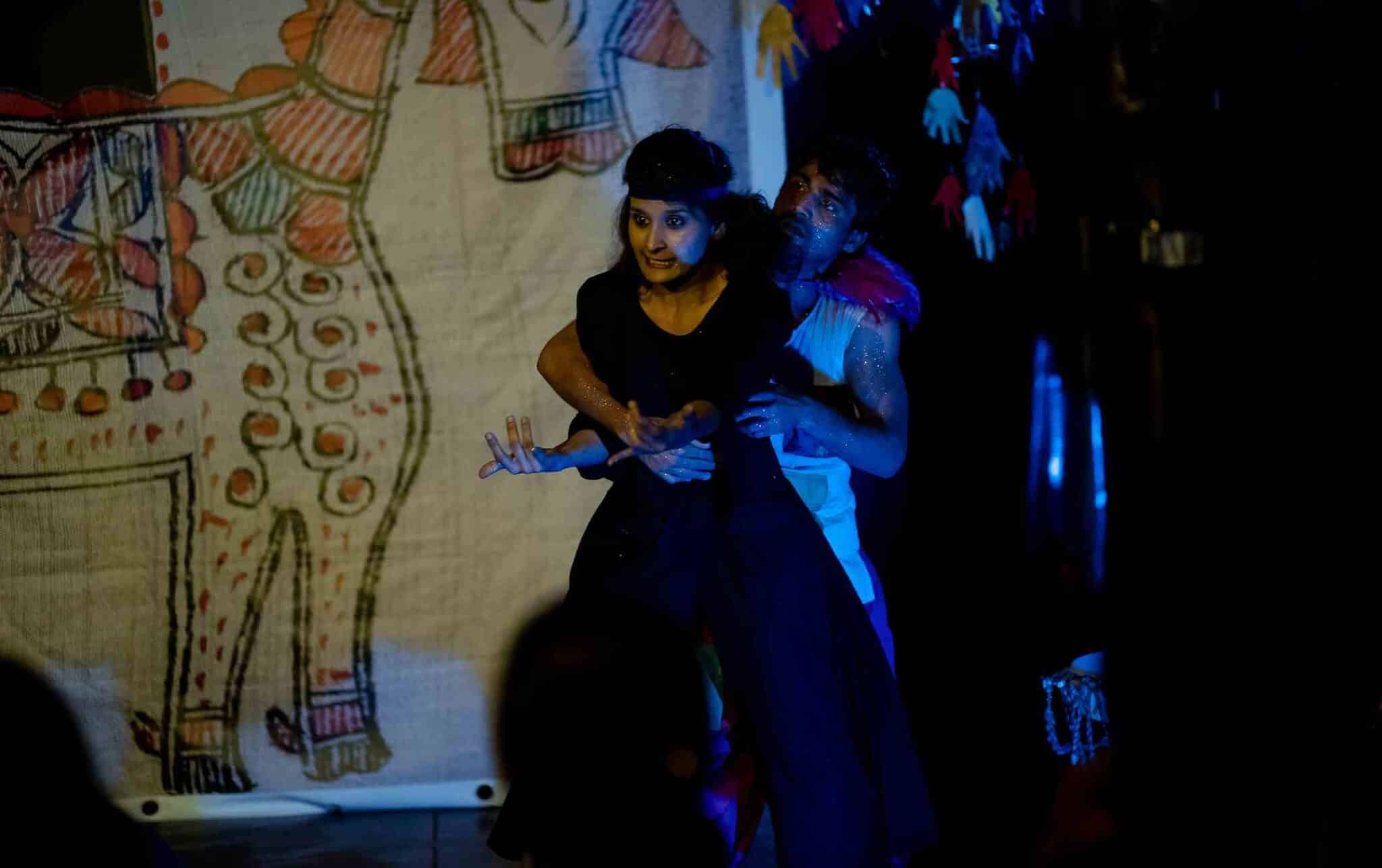
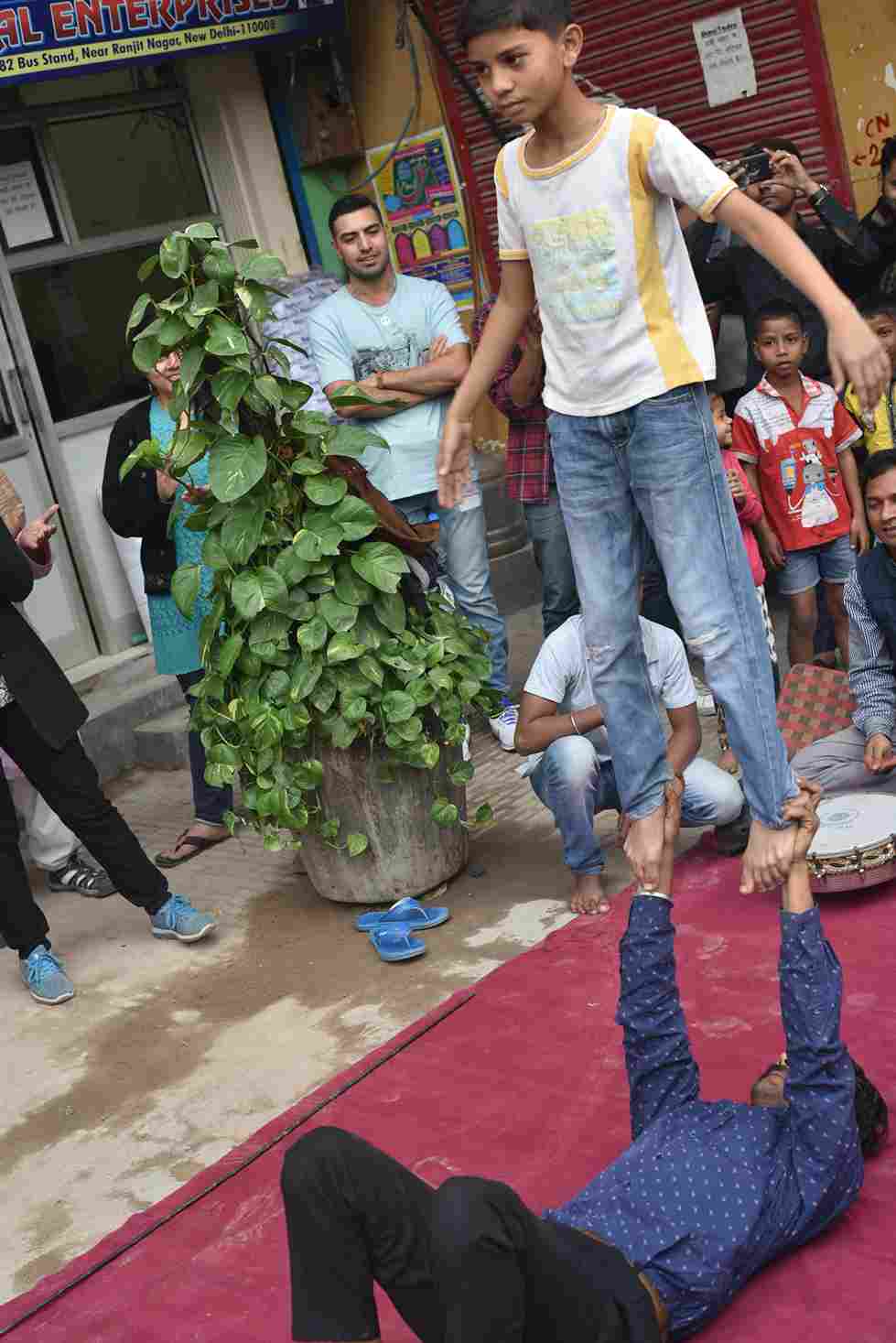
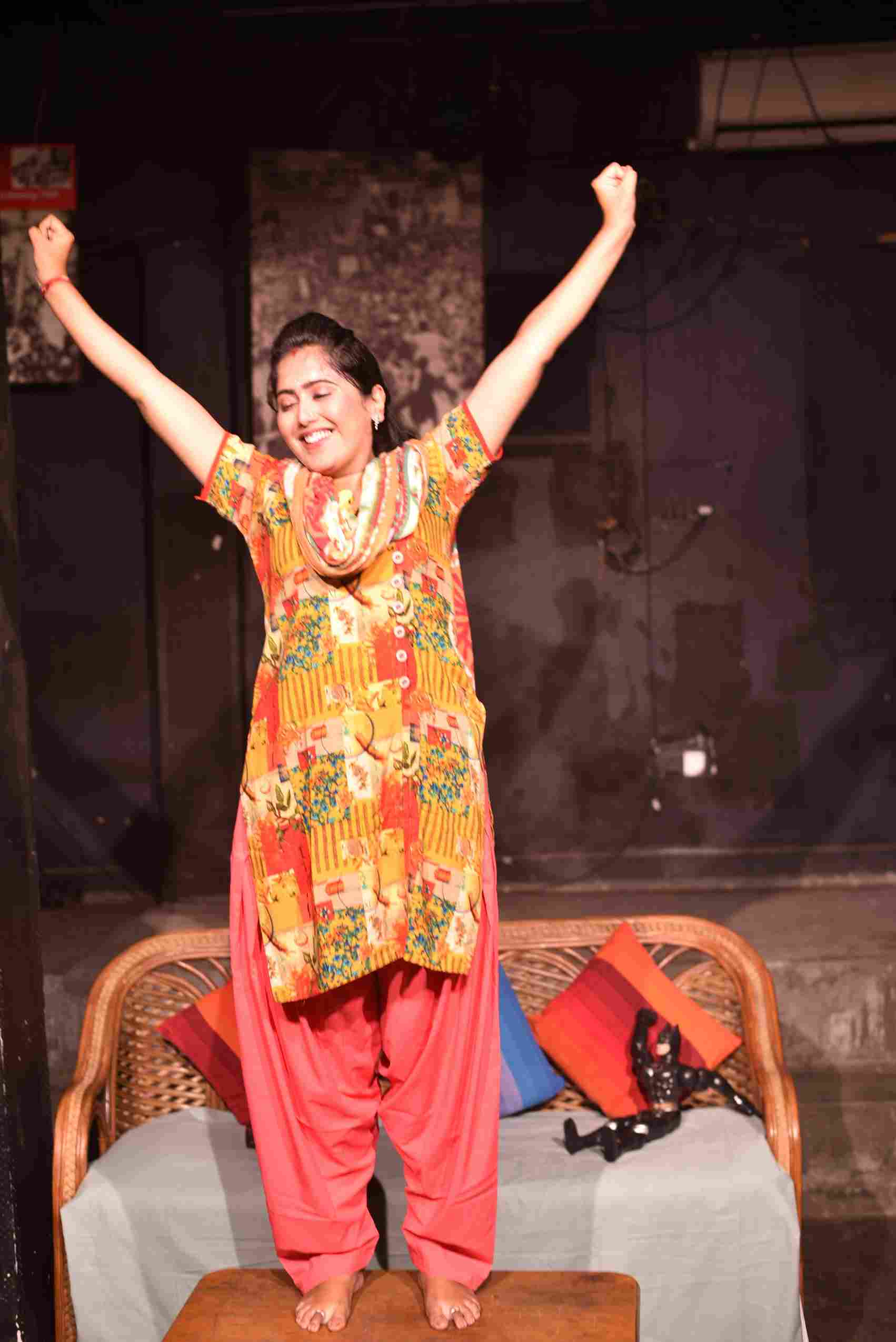
Shadipur Natak Utsav is a community-curated children's theatre festival held at Studio Safdar, an alternative theatre space in Shadipur, Delhi. Described as India’s first community-curated theatre festival, it puts local residents at the heart of the programming, with a community curatorial committee selecting the plays presented each year. In 2026, the festival is back again, running over two weekends, September 18–20 and September 25–27, with a fresh line-up of performances, reaffirming its community-driven ethos. The six plays being presented this year are from Kolkata, Mumbai, Wada, Ujjain and Delhi. On-spot tickets available.
The festival brings theatre from across India to Shadipur while keeping it accessible to the local community. Ticket prices are designed around different audiences, with subsidised entry for Shadipur residents, children and daily-wage workers. Local residents also host visiting theatre groups for meals, creating connections beyond the performances.
Organised using local resources and without corporate, government or foundation support, Shadipur Natak Utsav offers a distinctive model of community-led theatre—where programming, participation and access are shaped by the neighbourhood itself.
Check out more theatre festivals here.
How to Reach Delhi
1. By Air: Delhi is well connected by domestic and international flights to all the major cities within and outside India. Almost all the major airlines have their flights operating from Indira Gandhi International Airport in New Delhi. The Domestic Airport connects Delhi to the major cities in India.
2. By Rail: The railway network connects Delhi to all major and nearly all the minor destinations in India. The three important railway stations of Delhi are New Delhi Railway Station, Old Delhi Railway Station and Hazrat Nizamuddin Railway Station.
3. By Road: Delhi is well connected by a network of roads and national highways with all the major cities in India. The three major bus stands in Delhi are Inter State Bus Terminus (ISBT) at Kashmiri Gate, Sarai Kale Khan Bus Terminus and Anand Vihar Bus Terminus. Both government and private transport providers run frequent bus services. One can also hire government-run as well as private taxis here.
Source: India.com


1. Pack light cotton clothes as September in Delhi brings humid weather that calls for easy, breathable dressing through the day.
2. Keep a compact umbrella handy since occasional showers are still common as the monsoon begins to ease.
3. Comfortable footwear is essential for navigating streets, markets, and venues on foot.
4. Carry a reusable water bottle to stay hydrated through long days of exploring in the lingering monsoon humidity.








New Ranjit Nagar
New Delhi 110008
- Festivals From India is not associated with ticketing, merchandising and refund matters of any Festival organised by Festival Organisers. Festivals From India shall not be responsible for any conflict between a User and Festival Organiser in matters related to ticketing, merchandising and refund matters of any Festival.
- The date / timings / artist line-up of any Festival may change as per the Festival Organiser’s discretion and Festivals From India has no control over such changes.
- For the registration of a Festival, the Users will be redirected to the website of such Festival or to any third party website under the discretion / arrangement of Festival Organisers. Once a User has completed their registration for a Festival, they will receive their registration confirmation by email from the Festival Organisers or the third party websites where the event registration is hosted. Users are advised to enter their valid email correctly on the registration form. Users may also check their junk / spam email box in case any of their Festival email(s) are caught by spam filters.
- Events are marked COVID safe based on self-declarations made by the festival organiser regarding compliance with government/local authority COVID-19 protocols. Festivals From India shall have no liability as to the actual compliance with COVID-19 protocols.
- Users may face interruptions during the course of the live stream due to internet connectivity issues. Neither Festivals From India nor the Festival Organiser is responsible for such interruptions.
- The Digital Festival / Event may have interactive elements and will involve participation from the Users.
newsletter!





 ||||
||||






Get in touch on hello@festivalsfromindia.com