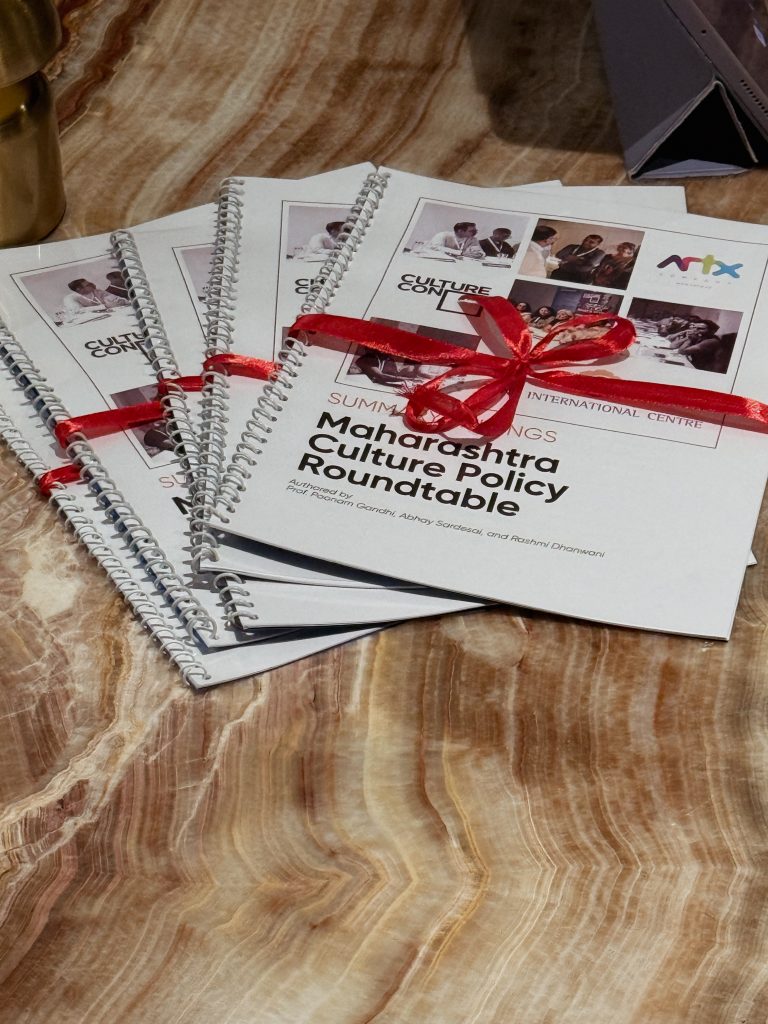
Maharashtra Culture Policy Roundtable: Summary Findings
Digital Futures
Diversity and Inclusion
Legal and Policy
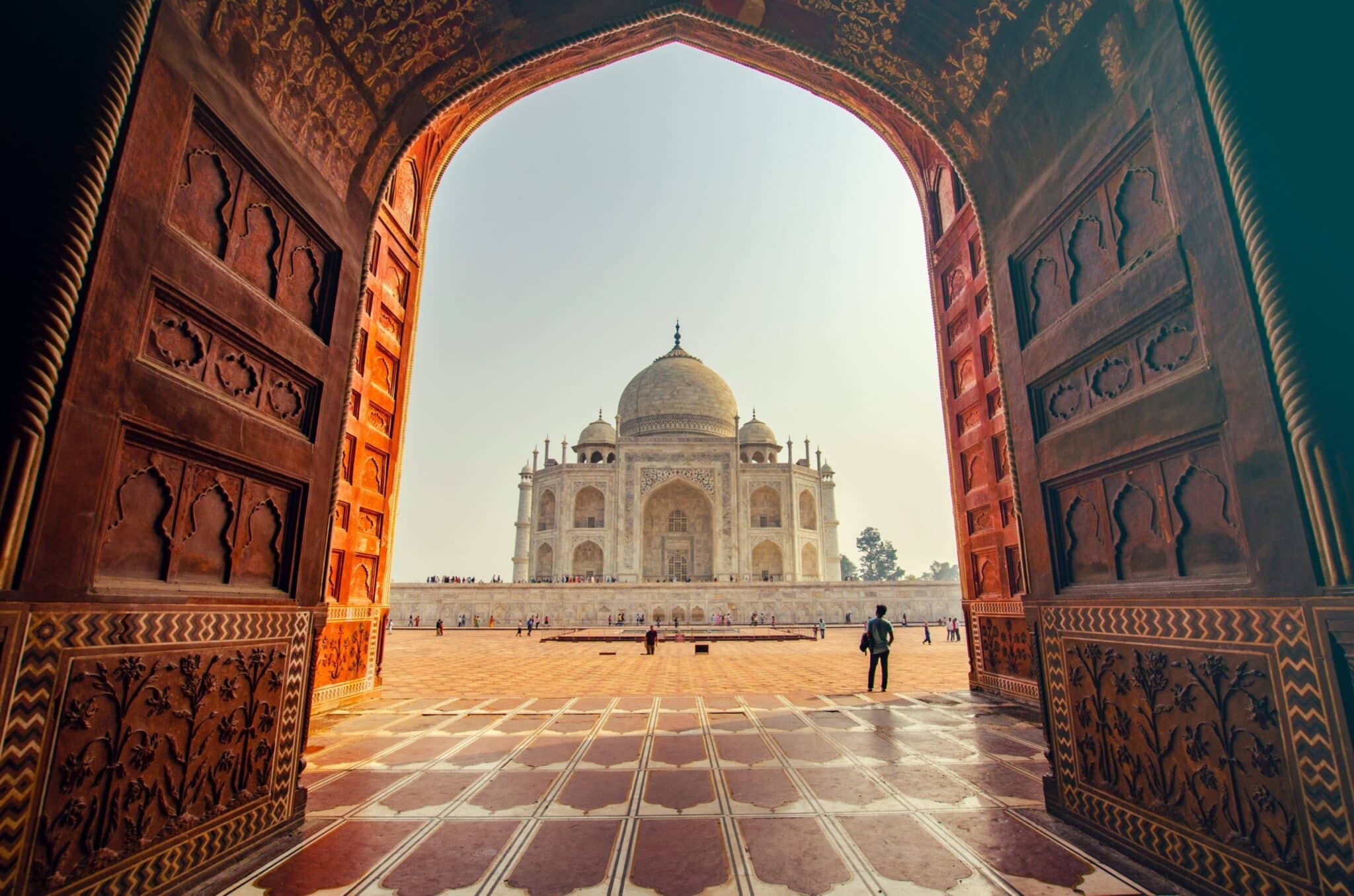
COVID-19 has impacted all sectors and all regions, and the world’s over 1,000 UNESCO World Heritage properties are no exception. To understand the impact of COVID-19 on World Heritage one year after the start of the pandemic, UNESCO launched a far-reaching survey of World Heritage site managers and national authorities. The survey found that many respondents expect the effects of the crisis on World Heritage properties to continue in the months, if not years, to come.
At the height of the crisis, it was reported that 90% of countries with World Heritage properties had closed or partially closed them and respondents to this survey still reported an average figure of 71% closure of sites in February 2021. Visitors to World Heritage sites dropped by 66% in 2020 according to respondents and at sites where staff redundancies were reported (13% of sites in the survey), an average of 40% of permanent staff and 53% of temporary staff were made redundant at those sites.
In the medium term, the anticipated lower levels of international and domestic tourism to many destinations, and potential reductions in public and private funding for World Heritage properties, especially at the local level, could amplify this negative trend even further. Respondents reported that revenues dropped by 52% from entry fees at 39% of sites, whereas subsidies increased in only 14% of the 51% of sites that receive them.
Furthermore, approximately 30% of sites that receive subsidies reported significant decreases. Respondents overwhelmingly reported large impacts on local communities, especially from the loss of revenue due to huge reductions in visitors to World Heritage sites and grave concerns about the future. Some World Heritage properties also reported cases of illegal logging and mining, poaching and vandalism due to the reduction of monitoring and a decrease in managed visitation.
Moreover, some respondents reported that COVID-19 has put many intangible cultural heritage practices in communities associated with World Heritage sites, including rituals, rites and ceremonies on hold, with important consequences for the social and cultural life of communities. Some respondents recommended a recovery process that includes measures to support the tourism sector and communities and to safeguard livelihoods in the transition towards more versatile and resilient World Heritage site management.
The uncertainty surrounding the current crisis has suggested a policy of re-alignment of properties towards domestic tourism for many stakeholders in the short term, providing, however, the equally important opportunity to “Build Back Better”.
Author: UNESCO












 ||||
||||






Get in touch on hello@festivalsfromindia.com