We live in a strange paradox. We have more ways to express ourselves than ever before; reels, stories, threads, posts — and yet something feels stuck. We over-express in some directions, under-express in others, and rarely feel like we’ve said exactly what we meant. But then there are people who found, early on, a language that never fails them. For Amrita Lahiri, that language is dance.
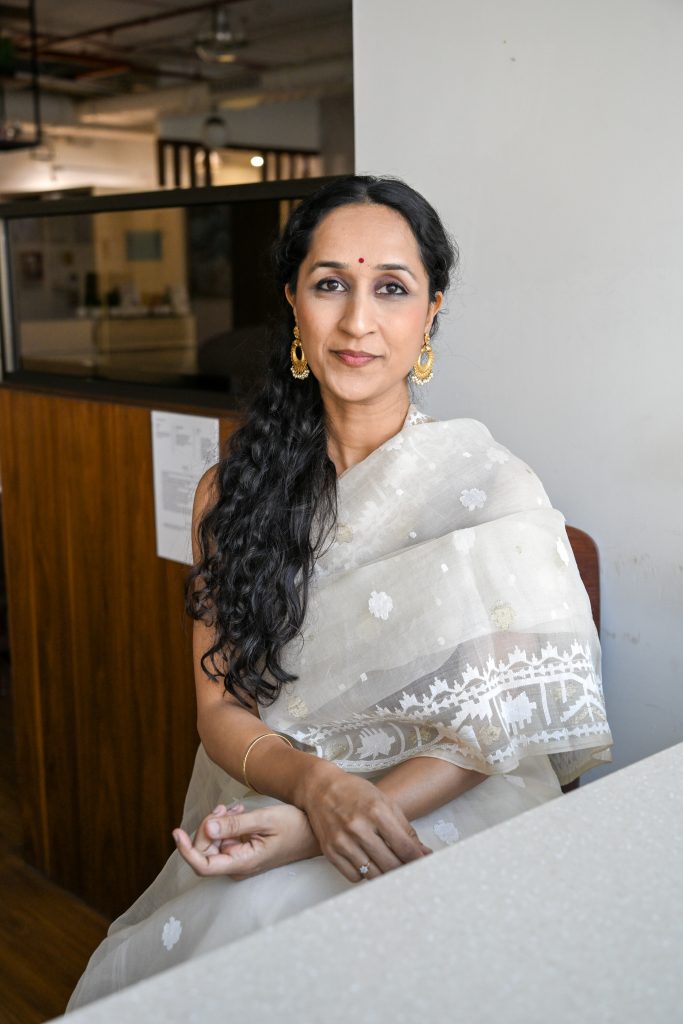
India’s one of the foremost Kuchipudi dancers, a Kala Ratna awardee, choreographer, curator, and arts manager who shaped the programming at NCPA and NMACC — 200+ shows and workshops curated, and a career that defies the idea that classical art and a sustainable livelihood are mutually exclusive. But what makes her story compelling isn’t the awards. It’s the 25 years of showing up to the studio every single day.
The Myth Of The Passion-To-Paycheck Pipeline
Here is the question everyone is afraid to ask out loud: can you actually make a living doing this? Amrita doesn’t flinch. “You have to know what you’re getting into. You don’t go into dance thinking you’re going to make tons of money.” But she’s quick to reframe the whole conversation, because the assumption that financial return is the only valid measure of success is exactly the trap she wants you to avoid.
Yes, inflation is real. Survival is not optional. But there’s a difference between surviving and actually living, and spending your days doing something that means nothing to you is its own kind of poverty. The reward, Amrita says, isn’t waiting at the finish line. It’s inside the process. “Every day you go into the studio and you create something; that moment of creation, sometimes alone, that is the reward.” She also states, “The applause, the recognition, the external validation, those are a bonus. They come naturally if you’re enjoying that moment of solitude in your own dancing.”
She’s also candid about something most artists tend to quietly sidestep: financial stability in a creative career rarely exists in a vacuum. Amrita acknowledges that independence in this field doesn’t come from a single income stream, but from multiple, allied sources. She also points out that, in her case, it was somewhat easier because both she and her husband shared the responsibility of running the household.
And so, the real question, she says, isn’t really about money at all. It’s about what you’re willing to return to, every single day, regardless of what it gives back.
She thinks of it like the myth of Sisyphus, cursed to roll a rock up a hill forever, only to watch it roll back down. Most people read that as a tragedy. Amrita reads it differently. If he only wants the summit, yes, he’s miserable. But if somewhere in the rolling, in the effort itself, he finds something worth doing, then he’s not cursed at all. He’s free. The question isn’t whether you’ll reach the top. It’s whether you like the climb.
What Dance Actually Demands
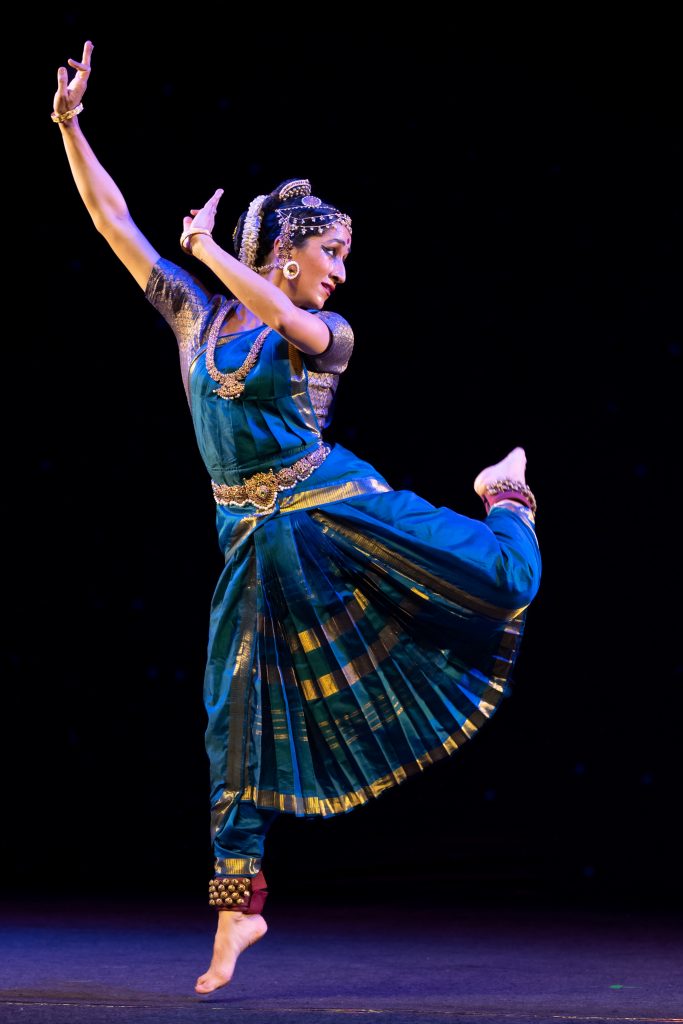
Here’s what nobody warns you about dance: it will exhaust your mind long before it exhausts your body. Kuchupudi carries the groundedness and swift footwork of Bharatanatyam while borrowing the fluid, lilting quality of Odissi. Speed, drama, jumps, twirls. It was historically a male dance drama form, performed not just for gods in temples but for people; which means it was always meant to entertain. But its greatest demand isn’t on your body.
“It’s more mental,” she says. “People think you’re jumping around for eight hours. A lot of that time is formulating, choreographing, listening to music, thinking about poetry, imagining. You have to be focused on the beats and imagine how you’re going to present it; that’s the real work.”
The inner life of a dancer is something Amrita believes is badly undertaught. Stop obsessing over whether your eyebrow is in the right place. Read poetry. Watch theatre. Follow the news. Fall in love. Once you genuinely feel something, your steps, your adavus, your posture — everything lines up to serve the expression. The body follows where the feeling leads.
The Careers No One Told You About
For nearly twenty years, she wasn’t just a dancer. She was also an arts manager. After her master’s in Sociology from JNU, she realised dance alone couldn’t pay the rent. So instead of leaving the ecosystem, she went deeper into it, interning at the British Council, then the Kennedy Center, then curating programs in Switzerland, at Kalakshetra, NCPA, and NMACC. Only in the last two years has she focused exclusively on performance and choreography.
“It’s an allied profession,” she says of arts management, “which keeps you in touch with the arts but also gives you a regular salary.” A parallel path isn’t a failure of commitment. It’s strategy. And it’s one more thing nobody teaches you when you start dancing.
Three things she’d tell someone starting today
- Train for real: Yoga, stamina, strength, meditation; not just dance. The stage demands total focus. Your instrument is your entire nervous system, not just your legs.
- Know why you’re doing this: One dancer trains a single extraordinary student and calls that a life’s work. Another fills concert halls. Neither is wrong. Define success for yourself before the industry does it for you.
- Learn way more than just dance: Marketing, relationships, curation, languages, music theory, technology, these aren’t extras. They are the career. You are a one-person company. Act like it.
The Arangetram Is Not The Finish Line
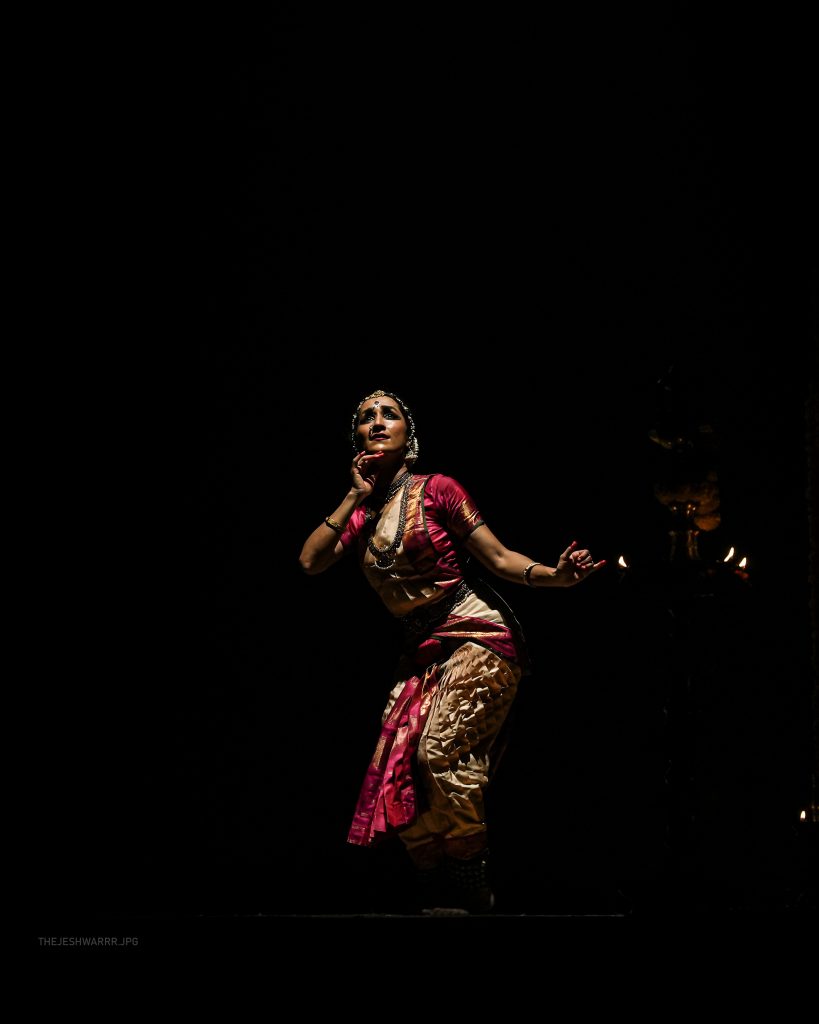
Parents arrive on the first day of dance class asking when the arangetram is. They plan for it like a graduation, celebrate it like one — and then leave the dancer standing there without a map. Amrita is gently, firmly corrective: “The arangetram is the beginning of the marathon, not the end.” What you have after it is enough technical skill to stand on a stage alone. What you don’t yet have is something to say.
“Where are you going to take this dance? What do you want to say with your art form?” Those are the questions that actually build a career. And here’s the one worth sitting with: do you love dancing, or do you love having danced? Do you love the process of creating, or the 10,000 likes on the reel? Your honest answer to that will tell you everything.
What Dance Cannot Be Replaced By
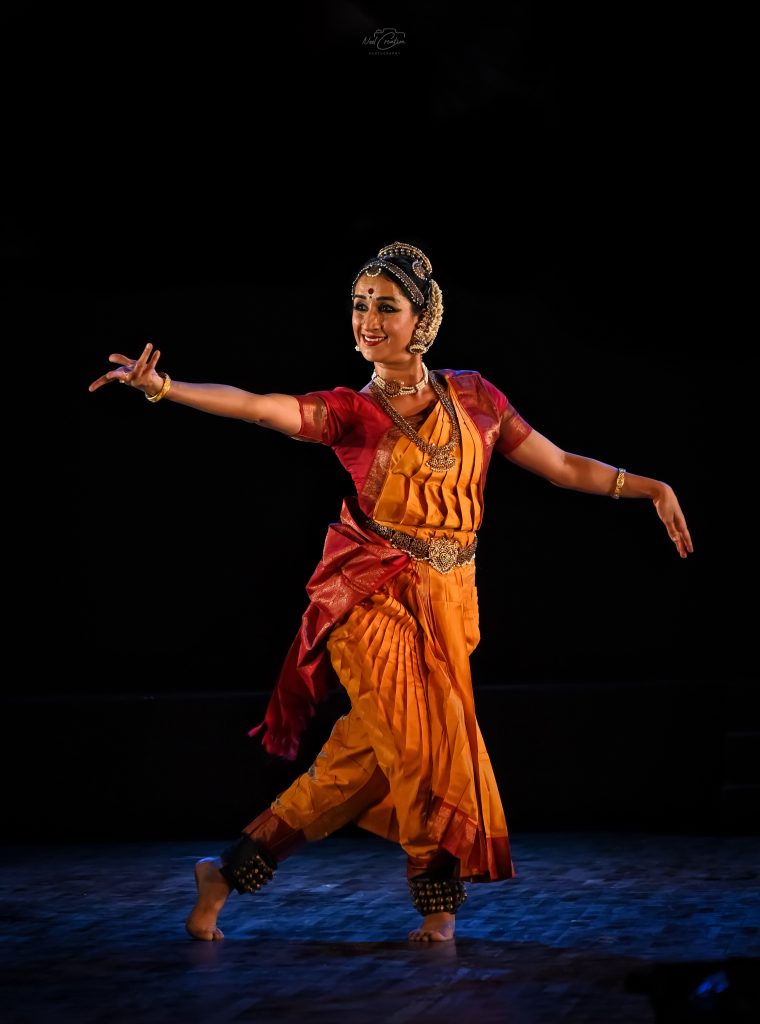
When asked what dance gave her that nothing else could, Amrita didn’t say recognition, success, or purpose. She said: joy. Plain and simple. “I do not feel happier doing anything other than dancing.” And what she wants for everyone she speaks to isn’t that they dance, it’s that they find their version of that. Something worth being that passionate about.
In a world where we’re all chasing money and struggling to express even the smallest things, it’s a quietly radical answer. It doesn’t promise financial security or Instagram virality. It promises something more stubborn and more durable: the daily return to something you love, even on the days it doesn’t cooperate. Even when the body won’t comply. Even when the music is off. You show up. You express yourself. And not everyone gets to say that, which might just be the whole point.