When you think about a career in museums, the first question that pops up is almost always the same – “How and where do I even start?”
We get it. So, we went straight to someone who has actually done it.
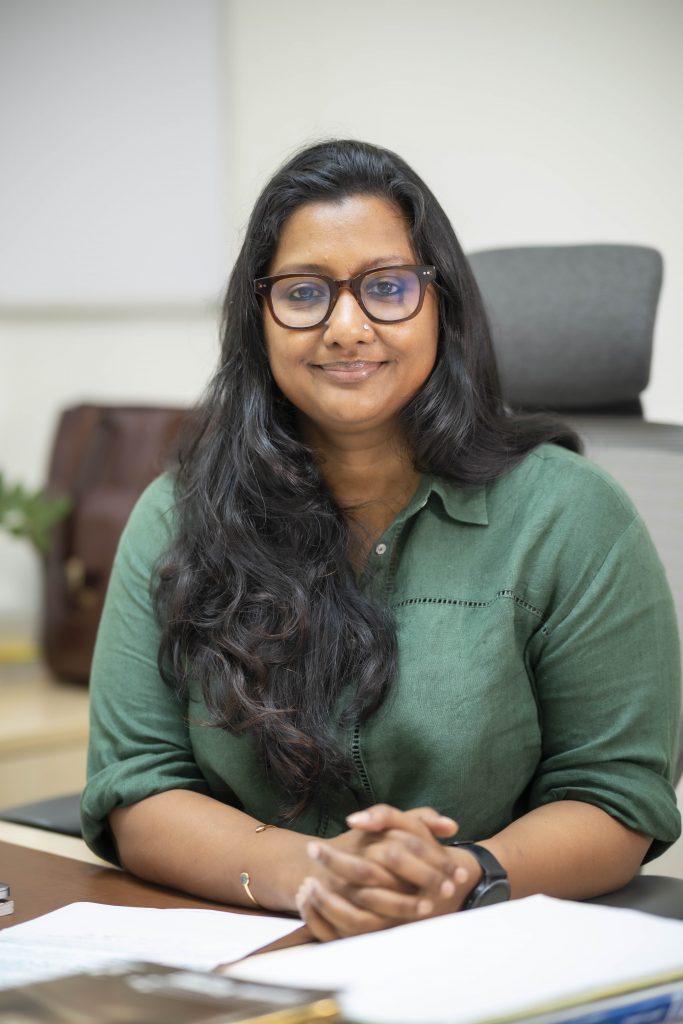
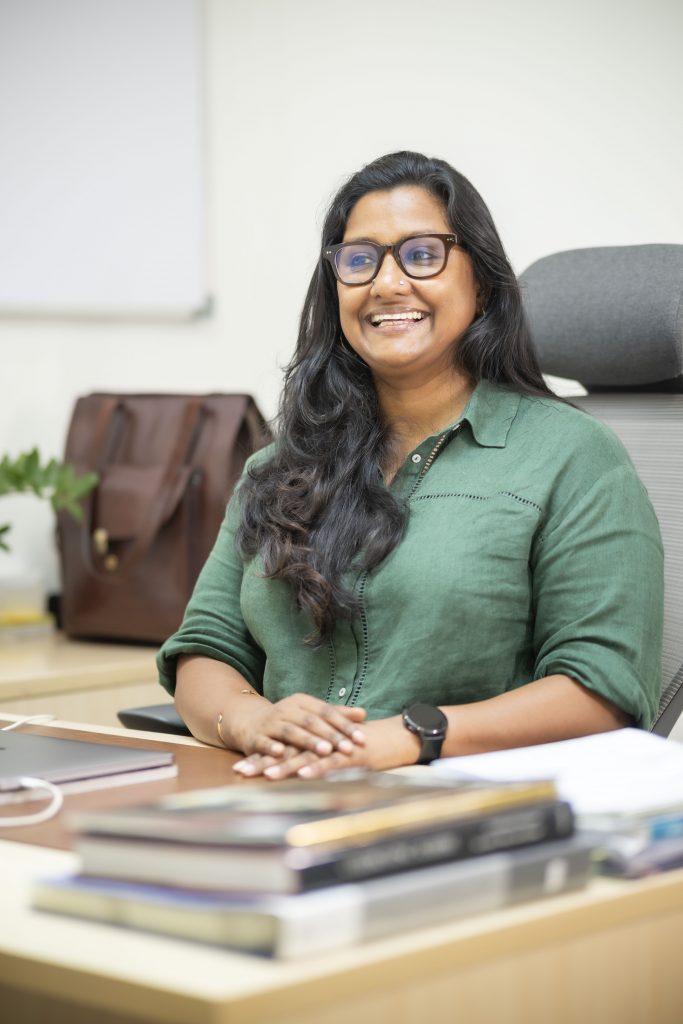
We spoke to Preema John, Museum Director at Indian Music Experience Museum, about what the industry actually needs, the roles museums are struggling to hire for, what’s worth studying, and how she built a career in the arts from absolute zero.
And according to her, the timing has never been better. New museums are opening, institutions are expanding, and investment in culture is finally growing. “The opportunities are quite wonderful and vast,” she says.
The Roles Museums Are Actually Hiring For:
Here’s what people seldom tell you: the museum sector isn’t just curators and historians. There are many arts management roles sitting wide open right now that most people have never even considered.
- Communications: Museums need people who can tell stories, not sell products. Museum communications are completely different from corporate marketing. Preema says, “If you understand culture, audiences, community, or even how to make people care about art online, you already have a skill the sector needs.”
- Fundraising & Development: Museums and cultural organisations need funding to survive, but very few people are actually trained for it. “It’s something that all of us who came up through the sector did as part of our job”, she explains. “But institutions are now realising you need dedicated fundraising professionals for sustainable growth.” India is only just waking up to this. Getting in now means growing with it.
- Public Programming: This is the role that turns a museum from a building into a living community. “It’s through your public programmes that you can really build a sense of community. It requires a very curatorial and critical mind to understand what the museum is working on, and broadly what the community is looking for,” Prima concludes.
So What Should You Actually Study?
Her advice is simple: start broad, specialise later.
Study art history, visual arts, cinema, performing arts, heritage, craft, anything that helps you understand culture deeply. Then figure out your niche over time. “Do an integrated art history degree at the BA level, then specialise during your MA,” she suggests.
For undergraduate studies, students can look at courses like:
BA History at institutions like St. Stephen’s college, Delhi University, Fine Arts programmes at Kala Bhavana, Sir J.J. School of Arts, Design and visual culture courses at National Institute of Design (NID)
For specialisation, many people later pursue 1–2 year MA or PG Diploma programmes in Museology, Arts Management, Heritage Management, or Curatorial Practice. Some institutes like Banaras Hindu University, University of Calcutta, School of Heritage Research and Management, Goethe Institut and National Museum Institute can be good places to start exploring.
However, degrees are just the stepping stone. What makes education applicable is industry experience. Her biggest advice? Intern everywhere. Volunteer. Assist people whose work excites you. Spend time inside cultural spaces. Knowing how museums and arts organisations work helps validate and contextualise what you have learnt in the classroom.
“It’s very difficult at the beginning of your career to know exactly which part of the sector you want to work in,” she says. “So work with different organisations and stay inspired.”
“But I Don’t Have Connections”
Neither did she.
“I’m not somebody who came into the sector with connections whatsoever,” Preema says. “Nobody in my family worked in the arts.”
According to her, connections are not something you start with. They’re something you build slowly by showing up consistently. What that looks like is seeing what the public sees. Go to cultural events, film screenings, cultural conferences, concerts, talks, public programmes, or anything that gets you into the room. Many of these spaces are far more accessible than people assume.“You’ll find like-minded people. You’ll get a chance to meet the teams and leadership,” she says.
On finding job opportunities, unlike other sectors we don’t always have ready job boards or websites (Although we at Creative Careers Hub have started a small effort). So occasionally, you will find posts online but don’t wait for these to show up. Reach out directly, email people or message them on LinkedIn. Ask organisations if you can volunteer, assist, or simply meet for a conversation.
Instead of chasing openings, chase the work itself. “Some of us are more open to having those conversations with young people. You will definitely find somebody willing to talk to you.” That, according to Preema, is how careers in the arts actually begin.
And when you do land somewhere? Stay. She recommends staying at an organisation for at least two to three years. “Keep going,” she says. “It’s going to be well worth the journey. The arts are a very, very viable career. I can’t think of a more rewarding space to be part of, honestly.”
Careers in the arts are rarely linear. They are built slowly through people, spaces, conversations, risks, and curiosity. And while the sector can still feel unstructured and difficult to navigate, it becomes a little less intimidating every time someone shares the path they took.
Find many more articles on careers in the arts on Festivals From India. Find jobs and opportunities here.