Case Study,Guide,Licence,Toolkit
Maamla Legal Hai: The Photographer Who Came Back
Artist Management
Creative Careers
Financial Management
Legal and Policy
A new decision-making guide, CSR & Philanthropy: How to Invest in Culture Well, argues that corporate and philanthropic investment in culture in India is growing fast — but growing blind. CSR funding for art and culture rose 144% over five years to ₹2,840 crore, yet it still moves without a shared language for what good investment looks like or how to know it worked. The guide, developed by Art X Company with four leading cultural initiatives and a room of CSR and philanthropic leaders, sets out to close that gap.
Culture already sits inside a serious economy. India’s media and entertainment sector is valued at roughly $30 billion — about 2.5% of GDP — and employs close to 8% of the national workforce, much of it women and young people, on a policy-backed path toward $100 billion within the decade. The Orange Economy has entered national policy through the Economic Survey and the Union Budget, cities are investing in creative infrastructure, and the sector is scaling. The money, increasingly, is there. What has been missing is the framework to direct it well.
Consider the gap in sharp relief. Of a ₹34,909 crore CSR pool, education and healthcare alone absorb over 55%. Art and culture is rising faster than almost any other category — up 144% in five years — but from a small base, and without the vocabulary that lets a CSR head defend it to a board. Giving leads who want to fund culture often cannot make the internal case: the evidence is scattered, the sector speaks in advocacy rather than impact, and there is no practical guide for what to fund, how, and why.
The guide’s answer is not to invent measurement from scratch, but to connect cultural investment to the frameworks that already exist. It maps culture onto recognised reporting standards — GRI, OECD-DAC, the SDGs, ESG and India’s own BRSR — and layers two frameworks built for culture on top: UNESCO’s Culture|2030 Indicators, the leading global standard aligning cultural outcomes to the SDGs, and Art X Company’s own AEAE framework (Amplify, Empower, Accelerate, Evaluate), developed for the Royal Enfield Social Mission’s Himalayan festival and now in its second year of use. Together they let a funder hold both the reportable numbers and the intangible value — pride, continuity, creative risk — that footfall can never capture.
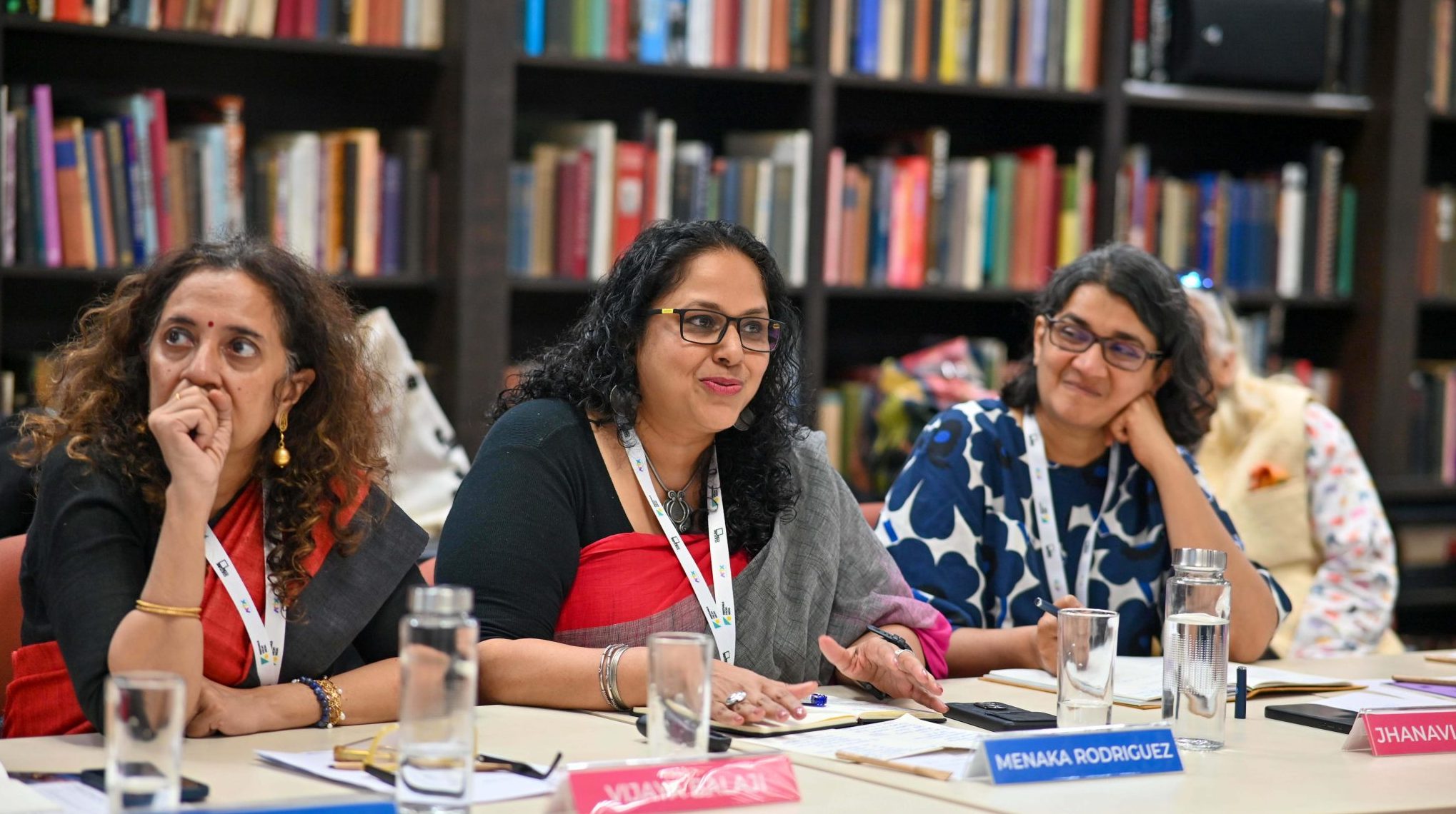
Crucially, the guide is built on what four cultural initiatives — Royal Enfield Social Mission, NCPA, Govandi Arts Festival and Science Gallery Bengaluru — said they actually need, and on the candid testimony of the CSR and philanthropic leaders in the room. It turns each measurement question into an argument a giving lead can take upstairs: how to map culture to SDGs their board already recognises, how to pair a hard number with an evidenced proxy, and how to make the case for creative risk rather than defaulting to “safe,” historical projects.
In sum, the case for culture is no longer about whether it belongs in a portfolio — it is about doing it deliberately. Culture is credible, it is measurable with the right tools, and the policy moment is open now. What this guide offers is the shared, practical language to invest in it well — and it is published open-source, to be used, argued with, and improved by the sector it serves.
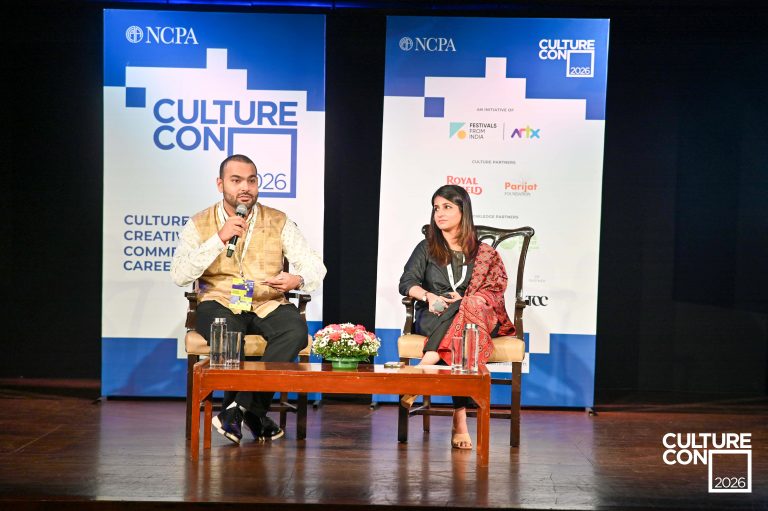
Published by Art X Company, with the India Foundation for the Arts as thought partner and Social Lens as research partner. An outcome of CultureCon 2026. Feedback welcome at info@art-x.co and media@festivalsfromindia.com.











 ||||







Get in touch on hello@festivalsfromindia.com