Very few Indian states have a cultural policy at all. Fewer still have one that sparks conversation beyond government corridors.
In September 2024, Maharashtra became one of the few to adopt a comprehensive cultural policy, spanning ten domains — crafts, literature, visual arts, archaeology, folk arts, music, theatre, dance, cinema and devotional culture. The policy aimed to strengthen cultural infrastructure, support heritage conservation and build a long-term framework for the state’s cultural development.
One question continued to loom over the sector: what does implementation actually look like?
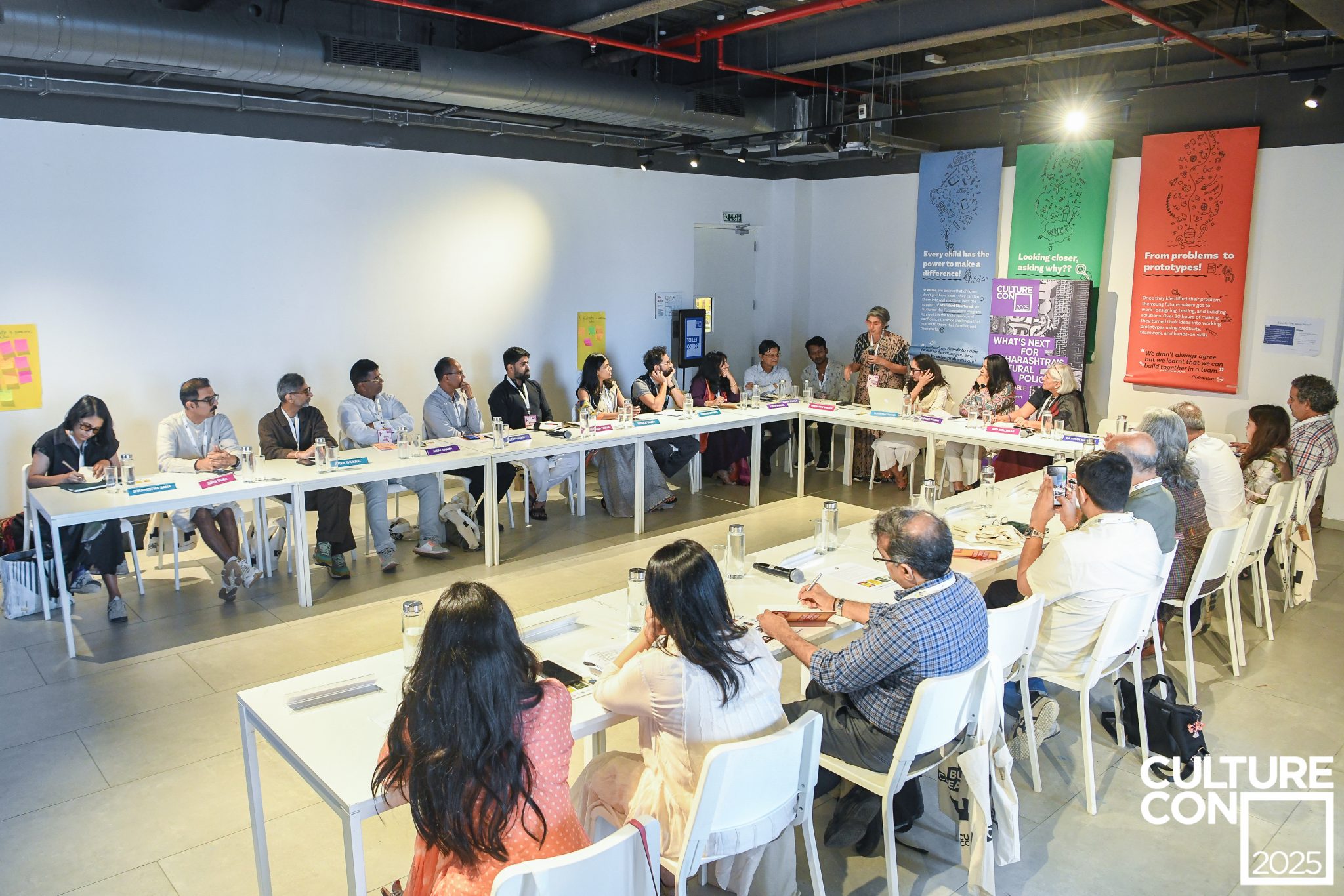
At CultureCon 2025, that question brought together more than thirty cultural practitioners, researchers, policymakers, accessibility advocates, institutional leaders and creative entrepreneurs for the Maharashtra Culture Policy Roundtable. The roundtable never set out to debate whether the policy should exist. It set out to examine how the policy could translate into outcomes that mean something to the people it claims to serve.
A few themes kept resurfacing. Participants argued for treating culture as an ecosystem, not a collection of isolated art forms filed under separate departments. The sector needed to build accessibility into cultural infrastructure from the start, not patch it on later. Creative livelihoods needed real support — funding, yes, but also translation, knowledge-sharing, and some honest way of measuring whether cultural investment was actually working.
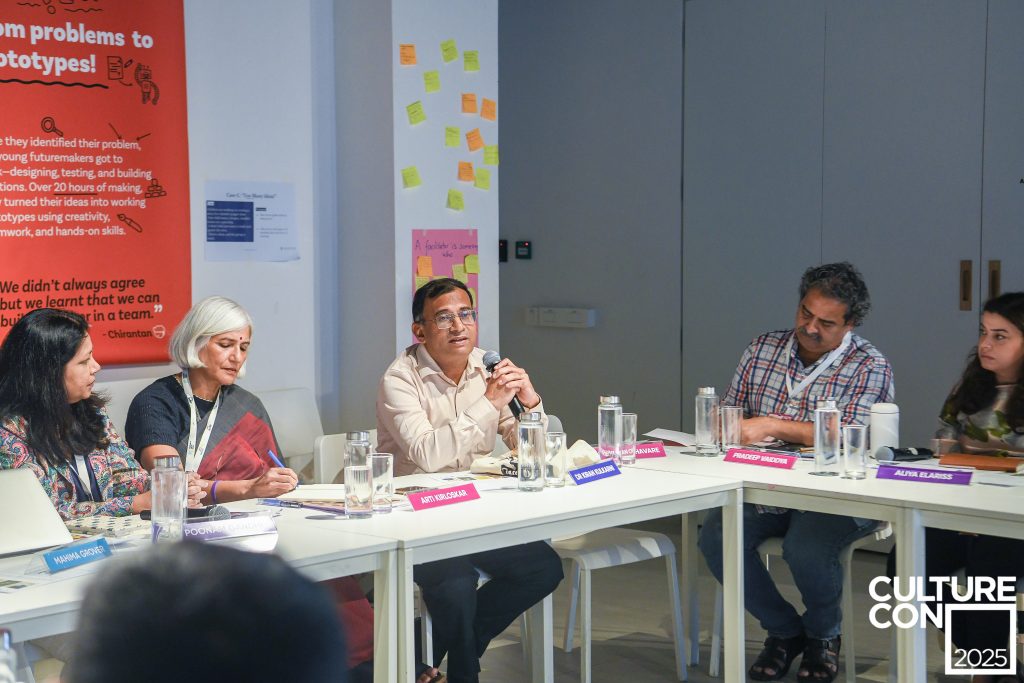
But the strongest insight wasn’t any single recommendation. It was the room’s quiet agreement that no government, however well-intentioned, can implement a cultural policy alone. It takes policymakers, artists, institutions, researchers, funders and communities pulling in the same direction, deliberately and often.
That belief shaped what came next.
Beyond the Roundtable
On 11 June 2026, at Kathiwada City House in Mumbai, The Art X Company along with the Pune International Centre released the Maharashtra Culture Policy Roundtable: Summary Findings — not a press release dressed up as a report, but the actual distillation of that 2025 conversation, capturing many of the insights that emerged from those discussions.
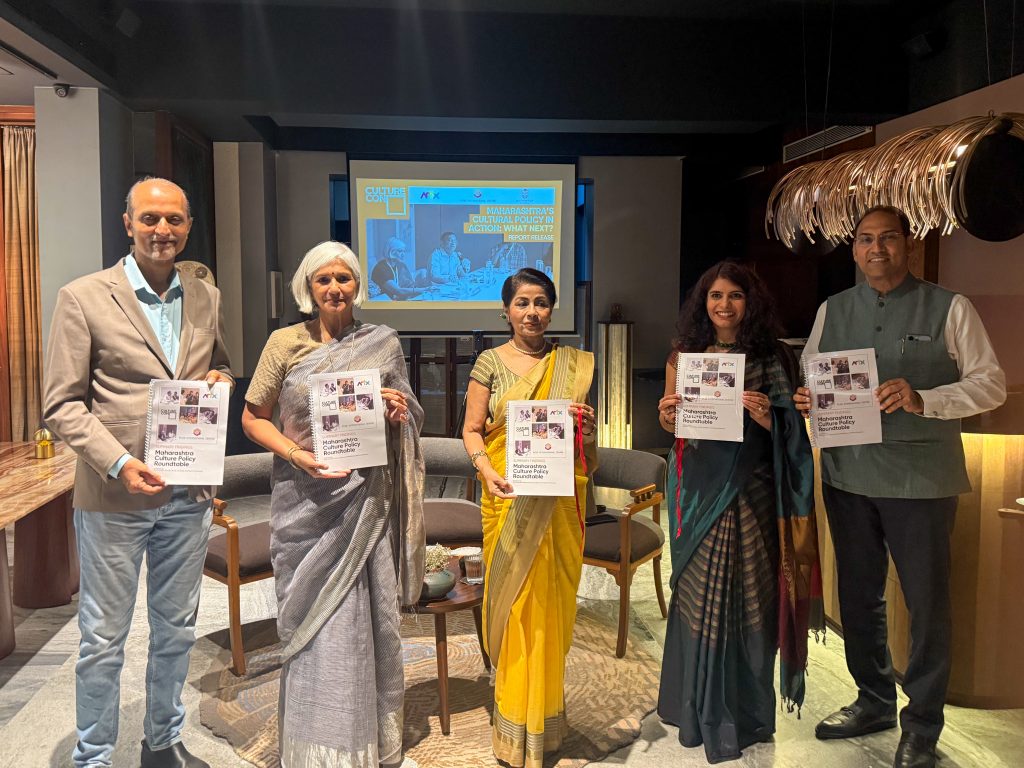
The findings sharpened the earlier agreement into something more specific. The government has a role to play. So do institutions, researchers, funders, artists, educators and civil society. Individual interventions will shape culture’s future less than the quality of collaboration between them.
The Same Instinct, Carried Forward
Whether through policy roundtables, industry discussions or initiatives like the Mentorship Lab, where emerging practitioners engage directly with curators, producers, founders and cultural leaders, the objective remains the same: creating spaces where knowledge, opportunity and experience can move more freely across the sector.
The most important question facing India’s creative economy today is no longer whether culture deserves investment. The sector has largely won that argument. The question now is whether the sector can build the structures, partnerships and shared sense of responsibility required to make that investment meaningful.
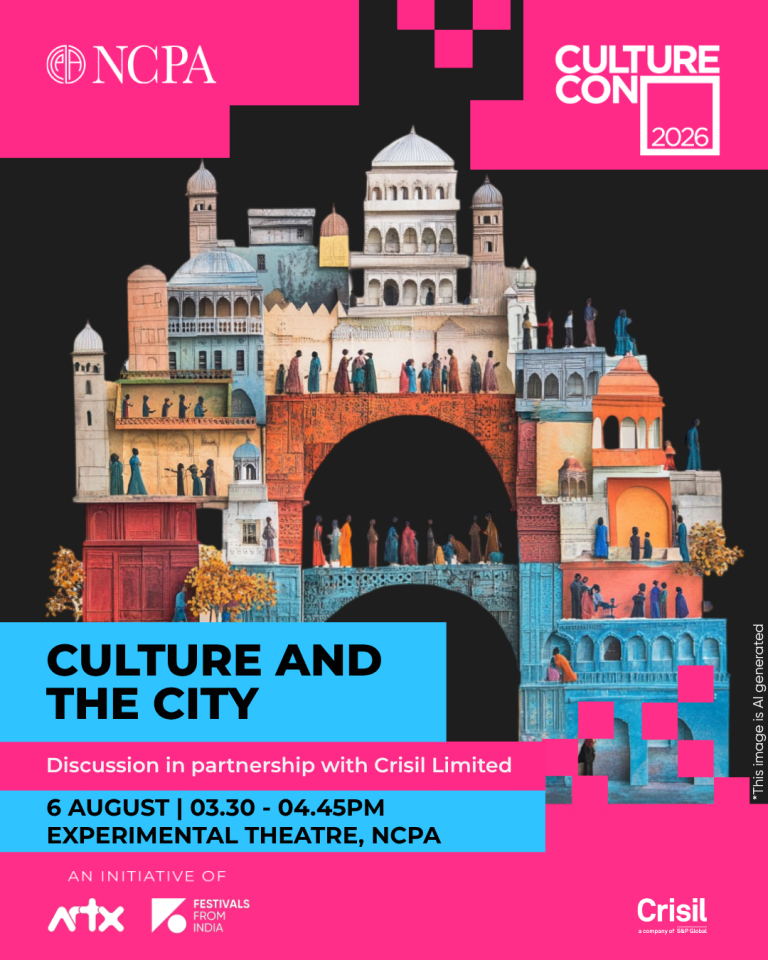
As CultureCon returns to Mumbai on 6–7 August at the National Centre for the Performing Arts (NCPA), this conversation feels more urgent than ever: Not because the sector lacks ambition, but because ambition, on its own, is no longer enough.
To get instant updates about CultureCon 2026 follow us on Instagram
Click here to read more articles on festivals in India